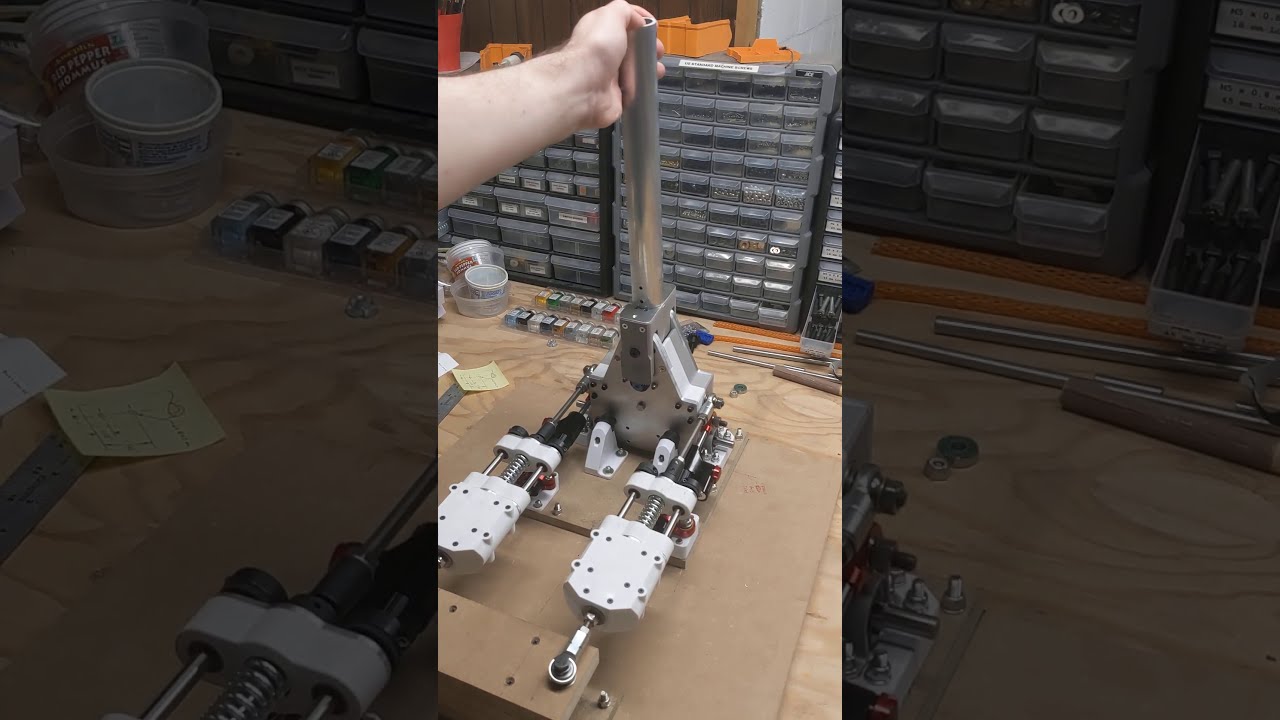
I’m guessing there’s a point to the belts being exposed, but I possess absolutely not one bit of tec
I’m guessing there’s a point to the belts being exposed, but I possess absolutely not one bit of technical knowledge to help answer that
 PP
PP V
V W
W very good insights! And the reasoning is very true. I thought about adding/releasing stl files for covers for small pulleys since this question comes up from time to time. The large pulleys have very limited range indeed.
 D
D
 VD
VD FF
FF D
D P
P WPPWPPWW
 handed off to couriers today :)PWVWD
 AWA
AWA
 AWD
AWD D
D D
D D
D H
H
 A
A N
N Y
Y faqDD
faqDD @authentikit
 T
T JW Thanks for the feedback!N
 F
F SFW
SFW K
K