
If you're not already, I'd recommend using something like https://volta.sh/ to pin the node version
If you're not already, I'd recommend using something like https://volta.sh/ to pin the node version for that project
Volta: Start your engines.

 H
HVolta, but I didn't know you could pin for specific projects. Thanks! DD
DD S
Sproduction1 environment. I can also see some info when I click Manage service in the workers' overview. wrangler.toml--env, wrangler deploys separate services with the env name from the wrangler.toml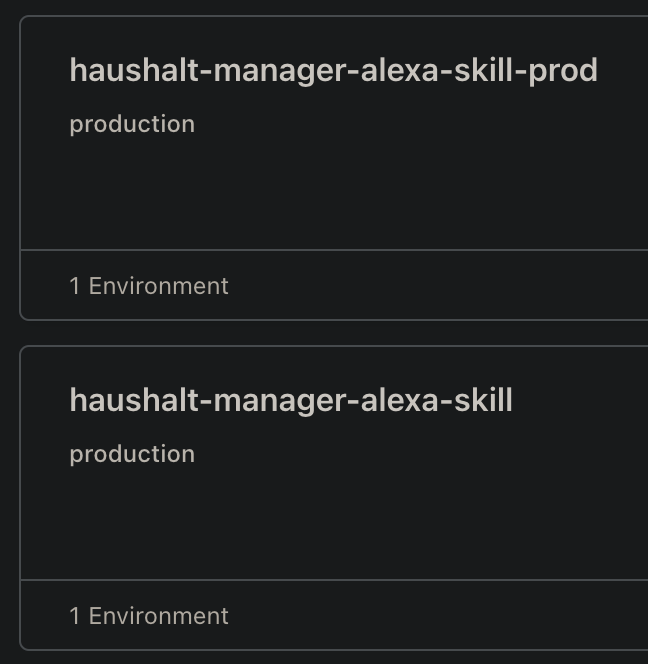
 TTT
TTT C
Cproduction I'm still experimenting with workers mostly.T
 S
S
 W
W J
Jnpx wrangler pages dev dist --r2=BUCKET wrangler 2.0.24 (update available 2.0.26)JJJ
 Token Permissions: J
 WJ
WJ JJJJJJ
 TTTTTTT
miniflare T
TScope (Access)
- account (read)
- user (read)
- workers (write)
- workers_kv (write)
- workers_routes (write)
- workers_scripts (write)
- workers_tail (read)
- pages (write)
- zone (read)
- offline_accessWhile developing locally, you can interact with an R2 bucket by adding --r2=<BINDING> to your run command. For example, if your bucket is bound to BUCKET, you can access this bucket in local dev by running npx wrangler pages dev dist --r2=BUCKET.Volta1 environmentManage service--env


