

Welcome to the official Cloudflare Developers server. Here you can ask for help and stay updated with the latest news
83,498Members
View on DiscordResources
Recent Announcements
Similar Threads
Was this page helpful?
 J
J C
C ICC
ICCapi.example.com/*: service none (for normal origins)*/**.example.com/* to match all subdomains besides apex, service: WorkerC*.workers.example.com) H
H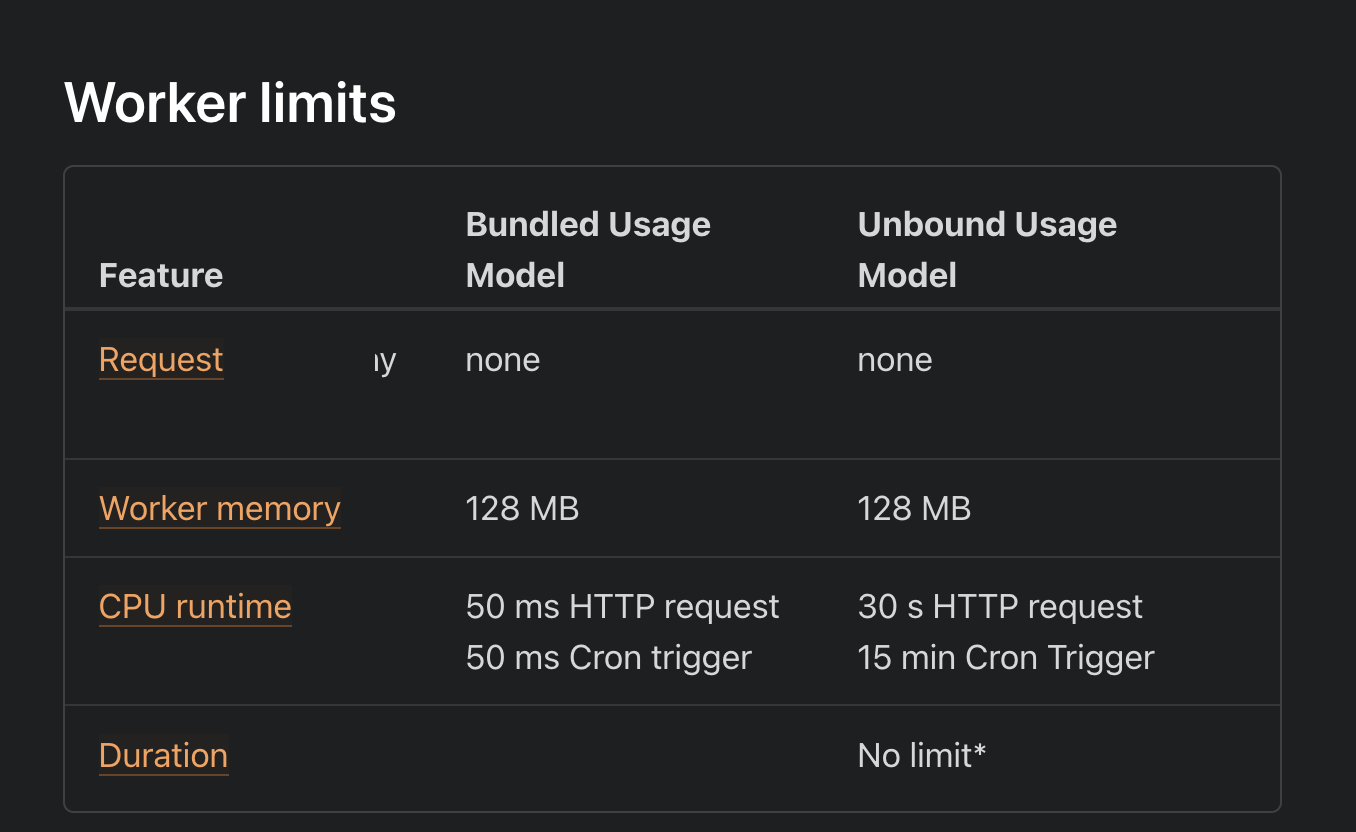
 KK
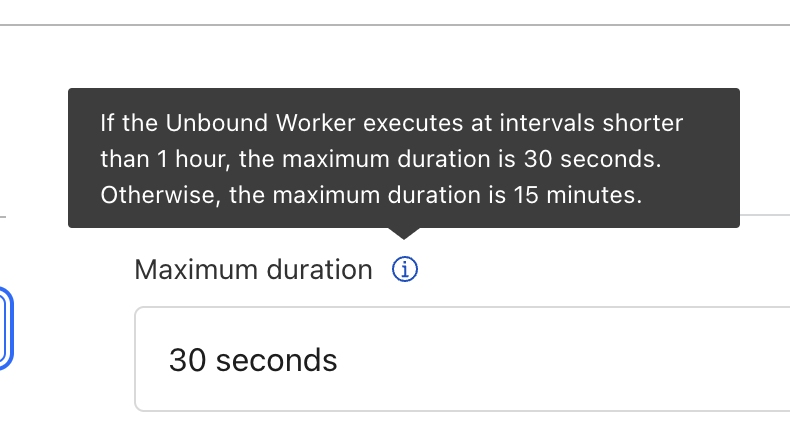
KKfetchdo stuff with reader?KHHKthe event stream might not finish within 30sIt's 30 seconds of CPU time, none of this is particularly heavy compute.
HHKconst response = await ... and then return response, couldn't you?HH IIIIH
IIIIH N
N
 N
N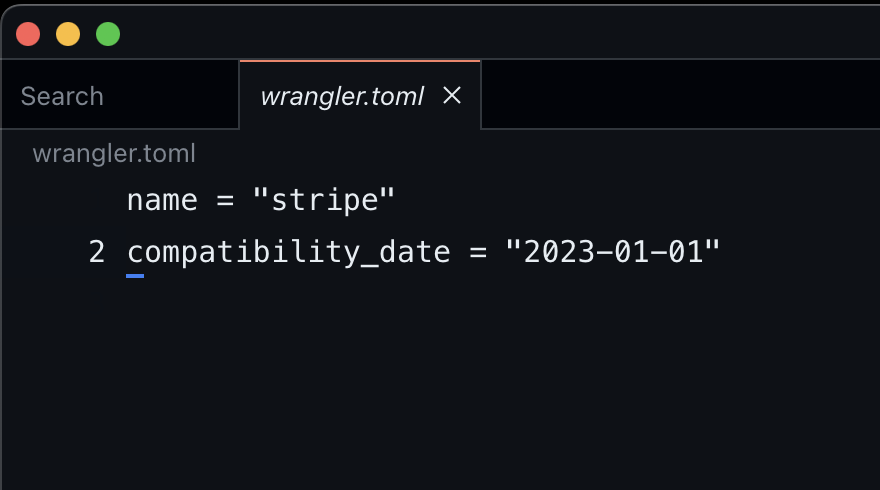 N
N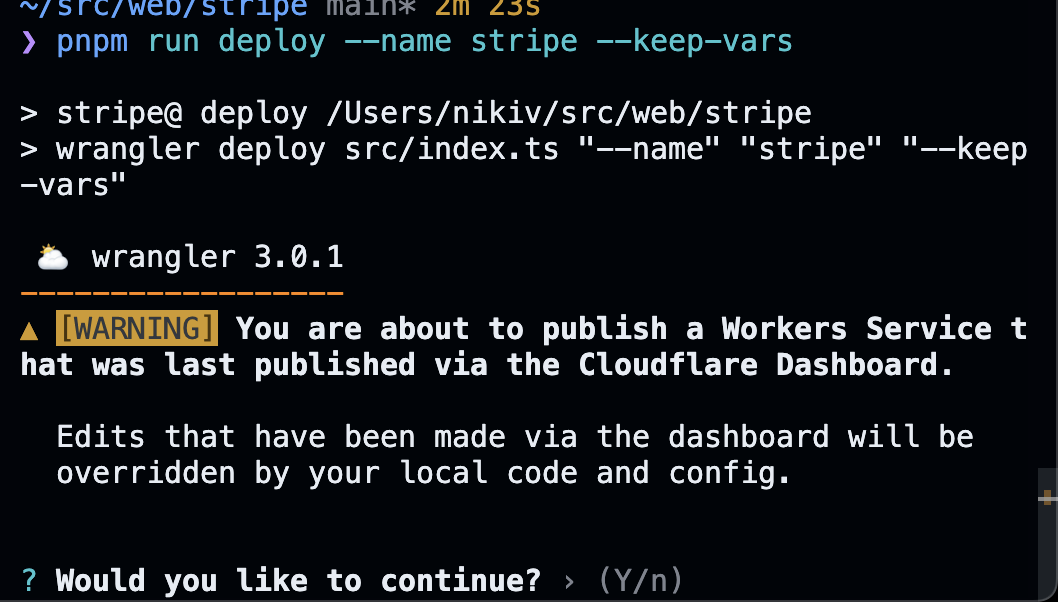 NN
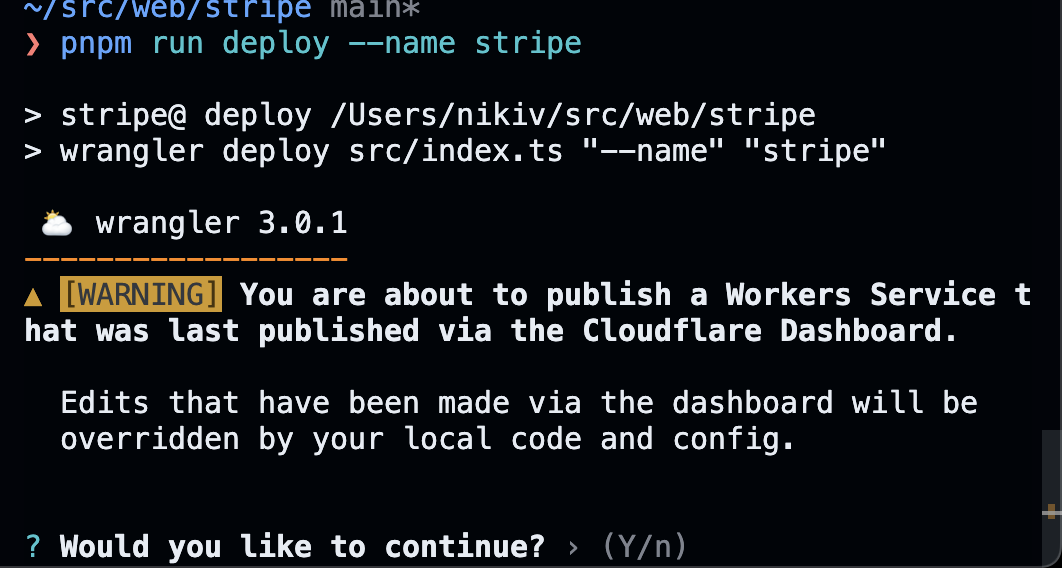
NNOr you can put the vars in your wrangler.toml
NN WWW
WWW II
II<script> on the html  CI
CI<script> that grabs the static files from static.domain.com R2 C
C B
Bwrangler HBBBB
HBBBB
api.example.com/**.example.com/**.workers.example.comdo stuff with readerconst response = await ...return response<script><script>static.domain.com const response = await fetch(url, {
method: "POST",
headers: {
"Content-Type": "application/json",
Authorization: `Bearer ${env.OPENAI_API_KEY}`,
},
body,
})
.then((res) => response.body)
.then((body) => {
const reader = body.getReader()
// do stuff with reader
})const startTime = Date.now()
const response = await fetch(url, {
method: "POST",
headers: {
"Content-Type": "application/json",
Authorization: `Bearer ${env.OPENAI_API_KEY}`,
},
body,
})
if (!response.ok) {
console.log(
`Unexpected response from OpenAI API: ${response.status} ${response.statusText}`
)
return
}
if (!response.body) {
console.log("No response body")
return
}
const reader = response.body.getReader()
// Get first byte
let chunk = await reader.read()
// Log first byte time
const firstByteTime = Date.now() - startTime
// Read the rest of the response
while (!chunk.done) {
chunk = await reader.read()
} const totalTime = Date.now() - startTime
console.log("Time to first byte: " + firstByteTime + "ms")
console.log("Total response time: " + totalTime + "ms")
// Log response time
const client = new Client(env.DB_URL + "?sslmode=require")
await client.connect()
const text =
"INSERT INTO response_times(model, date, ttfb, duration) VALUES($1, $2, $3, $4) RETURNING *"
const values = [
"gpt-4",
new Date(event.scheduledTime),
firstByteTime,
totalTime,
]
try {
const res = await client.query(text, values)
console.log(res.rows[0])
} catch (err) {
console.error(err)
} finally {
ctx.waitUntil(client.end())
}const [client, webSocket] = Object.values(webSocketPair);const {client, webSocket} = webSocketPair;


