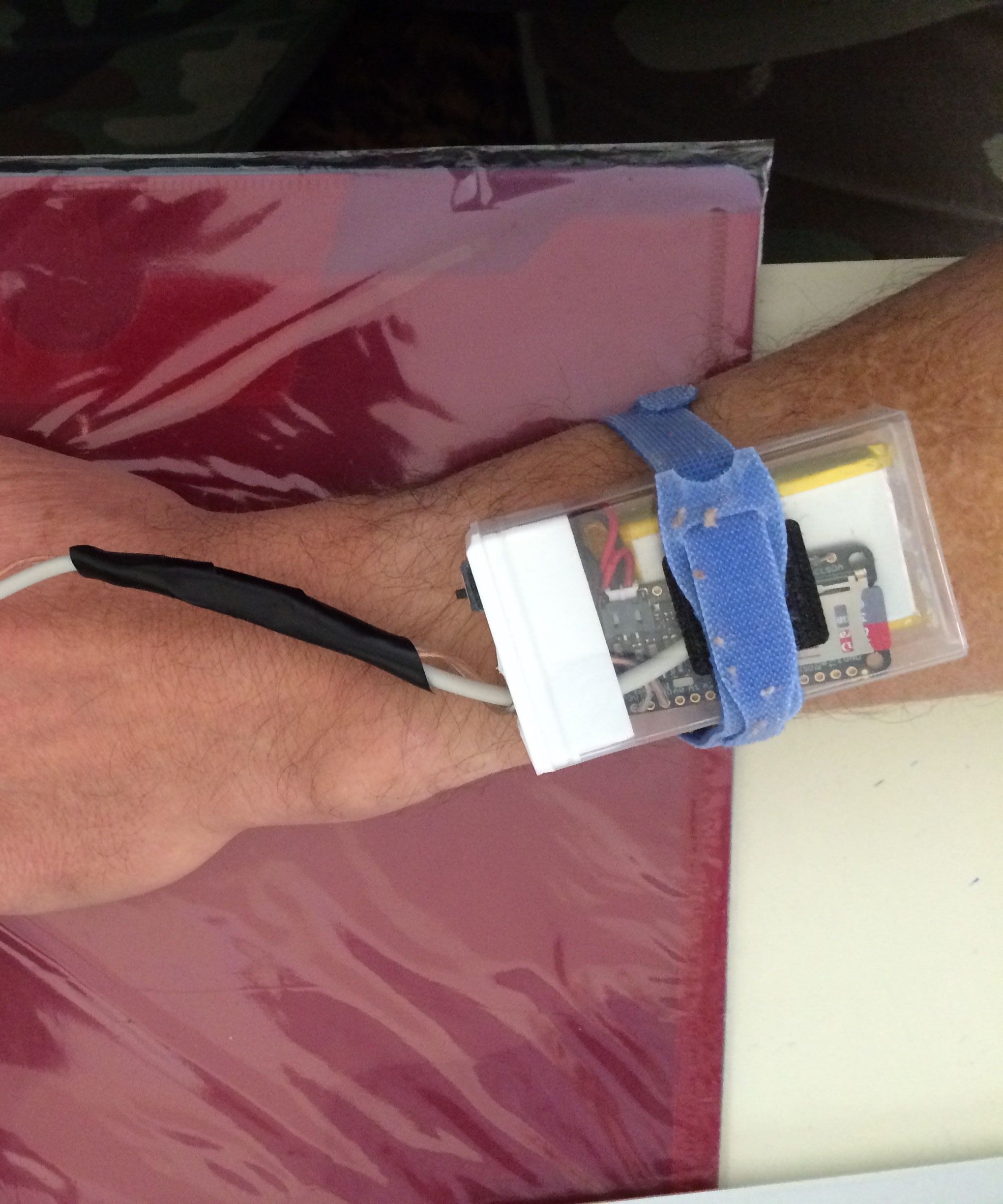
I am already working on something like this, I cannot say as a standard. I am thinking to use PCISIG M.2 form factor for MCU. Main reason to select this because the connector for M2 are available dirt cheap in the market. and By using just Mechanical specs of M.2 standard I can design a module of MCU and design carrier for any application.
I want to keep the form factor & same pinout then have multiple modules with any MCU from TI, STM, Microchip or anything else. However I have limited work experience, so I am slow in the process.
Interesting question, @onky. Actually a couple years back PICMG started developing a firmware specification around IoT data models that is designed to abstract sensor-vendor-specific data formats so there can be data transparency between sensors and controllers and controllers and the rest of the infrastructure.
In parallel they developed a small form factor, open-source, microcontroller-agnostic platform called MicroSAM. Here are some of the high-level features:
Full industrial operating temperature range from -40C to +85C.
Power filtering and signal conditioning for embedded installations
RS422 communications link for reliable communications
Direct connectivity to a variety of sensor types (analog voltage, analog current, digital)
Latching connectors for secure connectivity
PWM output for motion control applications
Hardware interlock and trigger signals for synchronization
Depending what you are working on, how far you've gotten, and how well this aligns with your goals, I'd recommend reaching out to @DougSandy. He's the CTO at PICMG and lead both the IoT firmware and MicroSAM specification development efforts. I know he's always interested in collaboration.
Pulse Oximeter With Much Improved Precision: If you recently visited a doctor, chances are that your basic vital signs were examined by a nurse. Weight, height, blood pressure, as well as heart rate (HR) and oxygen saturation in peripheral blood (SpO2). Perhaps, the last two were obtained from…
Hi @Jd3n Create and deploy Node-Red flow using mqtt palette/node which comes by default in node-red dashboard and then connect with your choice of MQTT dashboard App using the correct MQTT server and port number. I'm not sure exactly which MQTT dashboard App you're using as there are so many in the App Store. I believe you've installed running the node-red service on RPi and trying to send sensor data to the MQTT Dashboard App. Let me know more details about what you've done so far.
I want to make a guitar hero live guitar bluetooth for play with clone hero on my phone, would this be easier buying a serial to bluetooth or should i remake the center pcb and add bluetooth interception? Also how would i have a usb cable read and write the controls if i wanted to wire mod it? Currently it requires a dongle that ive lost so my goal is just being able to use it again
@Guillotine Welcome,! We're happy to have you as a DevHead. Feel free to let us know what you're working on now and a bit about your technical background.
Hello and thank you! Currently im trying to get this guitar hero live guitar to have bluetooth and most of my background is just taking things apart and fixing them, jailbreaking, software modding and slight programming knowledge in c++ cs and py
The thing Tht I cant do is control the Node red Ui from another device I dont understand HOw I could control the ui I made using node RED from another other device
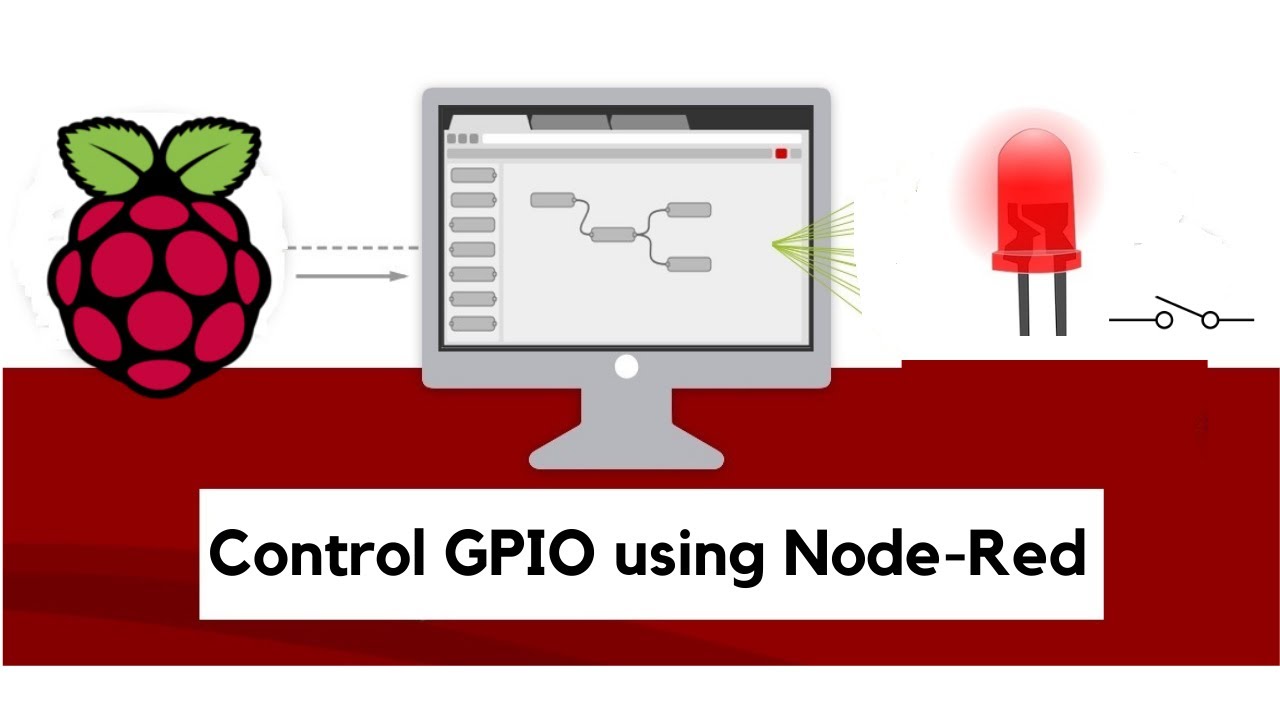
Hey @Jd3n to control GPIO Pins of RPi using Node-RED with UI running on other device. You need to install ui widgets node-red-contrib-ui in node-red dashboard and use them in your node flow. I have already made a video long back to show you step by step https://youtu.be/BtNt4-v8hQw
Lets learn how to control GPIO Pins of Raspberry Pi4 using Node-Red. We'll first use raspberry pi specific node palates. And later on, we'll install ui widgets like button, gauge etc. This will let us design very sophisticated node-red dashboard to control GPIO Pins of Raspberry Pi4 from Browser.
This example demonstrate controlling an LED conn...
Hey guys, In the context of Sim800L, what considerations should be taken into account when implementing secure communication over GPRS, and can u give me methods or protocols can to enhanced data security , it will be a big help for me
I just read up on the Altman part quickly and found an article on the Register that said "$7 trillion is enough cash to gobble up Nvidia, TSMC, Broadcom, ASML, Samsung, AMD, Intel, Qualcomm, and every other chipmaker, designer, intellectual property holder, and equipment vendor of consequence in their entirety – and still have trillions left over”