
is it recommended calling directly, or via npx? (I know virtually zero about npm and npx)
is it recommended calling directly, or via npx?
(I know virtually zero about npm and npx)
(I know virtually zero about npm and npx)
 MM
MM H
Hnpm doesn't actually support that for arbitrary commands, so npx would probably be the next best thing.Hpnpm for arbitrary command execution using the locally installed package: pnpm wrangler deploy [whatever]MM
 E
E L
Lsatisfies in your workers?LL JLL
JLLrequest: Request, env: EnvJsatisfies ExportedHandler<Env> L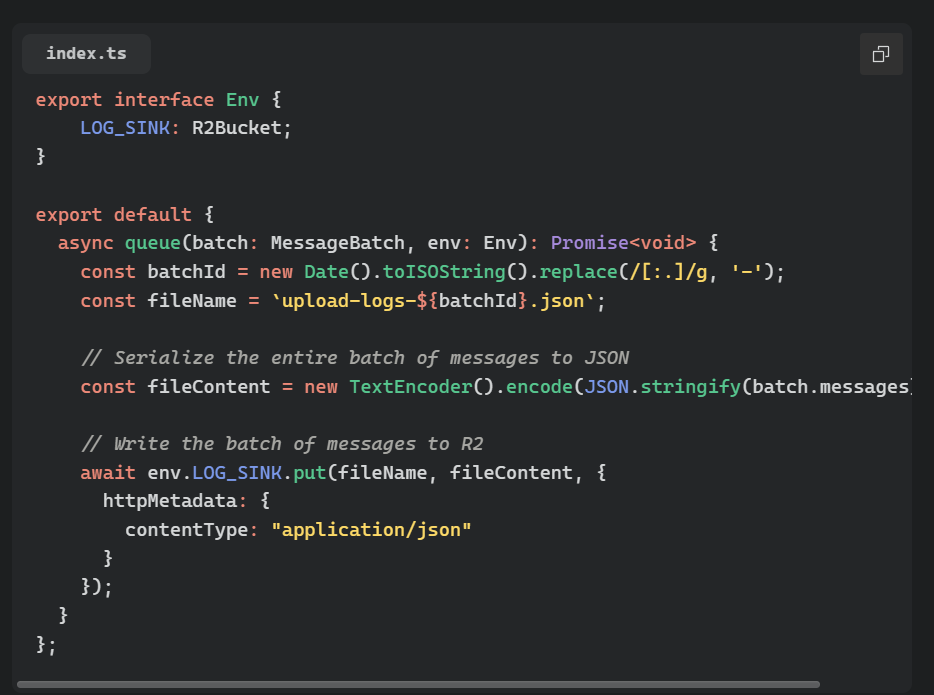 LJ
LJExportedHandler LLJ: Promise<Response> for better DX, and then satisfies ExportedHandler<Env>;Jqueue handlers don't need to return anything so: Promise<void> works wellLsatisfies operatore introduced in TypeScript 4.9 shouldn't just check that the function matches expect class?Lbatch is of type MessageBatch?LJExportedHandler takes other generic types, included one for MessageBatchJsatisfies covers most of the function. But the return type being explicit creates better errors for DX.JJJExportedHandler<Env, MessageBatch> for exampleLLJ Many won't have type arguments though - they're JavaScript (not TypeScript) examplesLJ
satisfies LEnv in the index.ts even tho now that's automatically generated in worker-configuration.d.tsLJJwrangler types thoL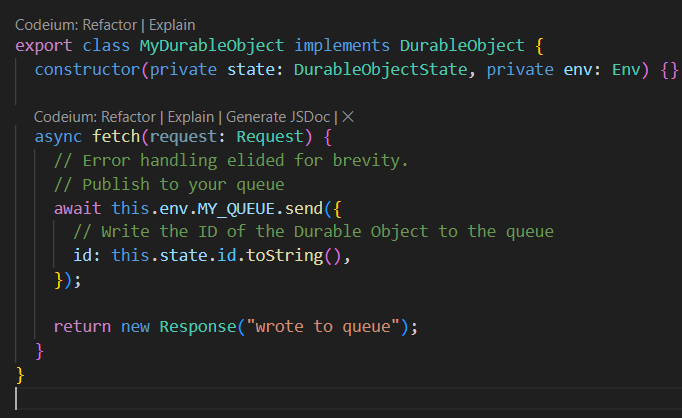 J
Jfetch as : Promise<Response> so ts will catch if you ever accidentally return something elseJL D
DResponse | Promise<Response> is implied from implements DurableObject VH
VH THT
THT K
Kwrangler dev --remote the preview_database_id is used. Perfect! However, when running wrangler dev the preview_database_id is used. wrangler dev the database_id is used.npmnpxpnpmpnpm wrangler deploy [whatever]satisfiessatisfiessatisfiessatisfiesrequest: Requestenv: Envsatisfies ExportedHandler<Env>ExportedHandlerExportedHandler: Promise<Response>: Promise<Response>satisfies ExportedHandler<Env>;queuePromise<void>batchMessageBatchMessageBatchExportedHandler<Env, MessageBatch>Envindex.tsworker-configuration.d.tswrangler typesfetchResponse | Promise<Response>implements DurableObjectwrangler dev --remotewrangler devwrangler devexport default {
async fetch(request, env, ctx): Promise<Response> {
// do things
},
} satisfies ExportedHandler<Env>;# wrangler.toml
# ...
routes = [
{ pattern = "example.test/api*", zone_name = "example.test" },
{ pattern = "localhost:4321/api*", zone_name = "localhost" },
]d1_databases = [
{ binding = "DB", database_name = "mydb", database_id = "id1", preview_database_id = "id2" },
]d1_databases = [
{ binding = "DB", database_name = "mydb", database_id = "id1" },
]


