
All KV instances share the same regions, so making a new namespace is mostly just a visual represent
All KV instances share the same regions, so making a new namespace is mostly just a visual representation

 V
V H
H C
C A
A D
D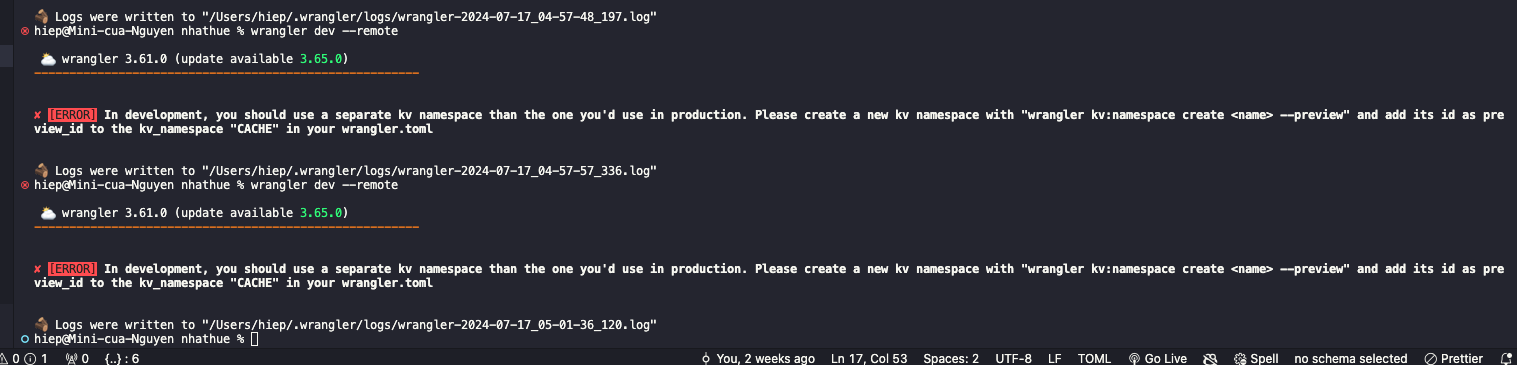 DDH
DDH—remoteA JJ
JJ CJCA
CJCA HAAA
HAAA T
Twrangler dev --remote S
ScacheTtl value? According to the docs, changes are immediately visible in the same location and take up to 60s in other locations. Is that also true for already cached values with high cacheTtl ? I would like to use 24h, but the (rare) changes need to be visible faster than that. A few minutes is acceptable.cacheTtl does not matter, but I just want to make sure. Thank you! YH
YHcacheTtl, then whatever value you set it to(minimum 60 seconds)HcacheTtl value every time, it would show stale values for up to 24 hoursHSHSHTT MM
MMkeys/1000 days?)M WWW
WWWbase64
boolean
Whether or not the server should base64 decode the value before storing it. Useful for writing values that wouldn't otherwise be valid JSON strings, such as images.
MWEach key-value pair in the (bulk write) PUT request is counted as a single write, identical to how each call to PUT in the Workers API counts as a write. Writing 5,000 keys via the REST API incurs the same write costs as making 5,000 PUT calls in a Worker.
 J
JkvOperationsAdaptiveGroups and kvStorageAdaptiveGroups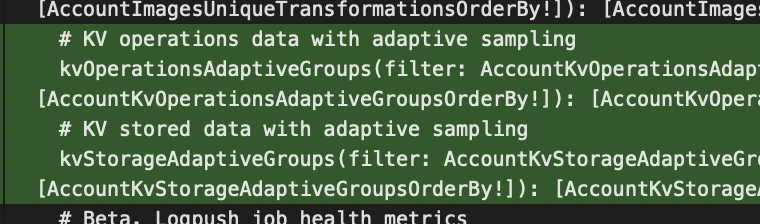 MSHS
MSHS ZZZT
ZZZT J
J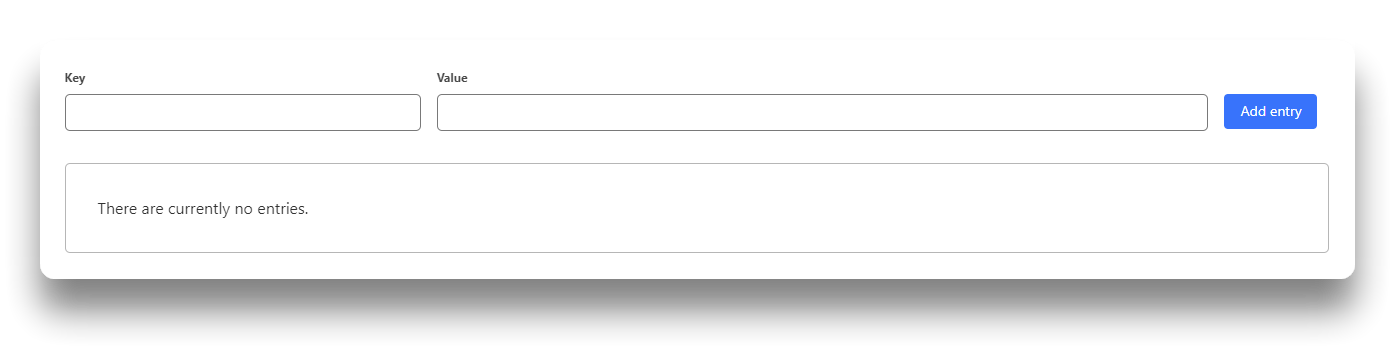
 J
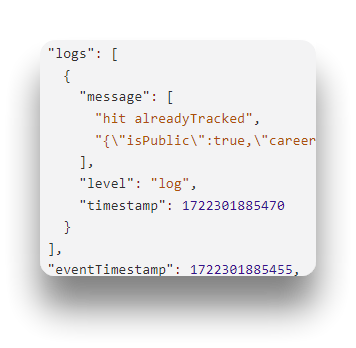
Jenv.<namespace>.list() correctly shows nothing, but for this key it has persisted across multiple reloads, not to mention operations that used to work now just silently failing (put—remotecacheTtlcacheTtlcacheTtlcacheTtlcacheTtl24hkeys/1000kvOperationsAdaptiveGroupskvStorageAdaptiveGroupsenv.<namespace>.list()const alreadyTracked = await env.<namespace>.get(<item>);
console.log('hit alreadyTracked', alreadyTracked);


