
so your approach is to have a db lookup first then to invoke a DO?
so your approach is to have a db lookup first then to invoke a DO?

 J
J LL
LLinit() 森L
森LDoes it ask every data center if that name id has existed before creating the object? or does it create it first anyways, and only sync at storage level?This is my personal suggestion, but you shouldn't design your applications based on internal implementation.
If it was the latter, if two people decides to create the same name id DO at the same time on the opposite side of the earth, they would not see the same in memory status as the other? (or is there more memory syncing magic involved)Read https://developers.cloudflare.com/durable-objects/platform/known-issues/
 L
L GLGGG
GLGGG N
N IL
IL 11
11wsthis.state.getWebSockets() B
BtransactiontransactionSynctransactionSyncgetWebSockets() I
I P
P C
Cdurable_objects.namespaces.objectshasStoredData: falsealarm()alarm()alarm() LP
LP W1
W1 ILW
ILW F森
F森 E11
E11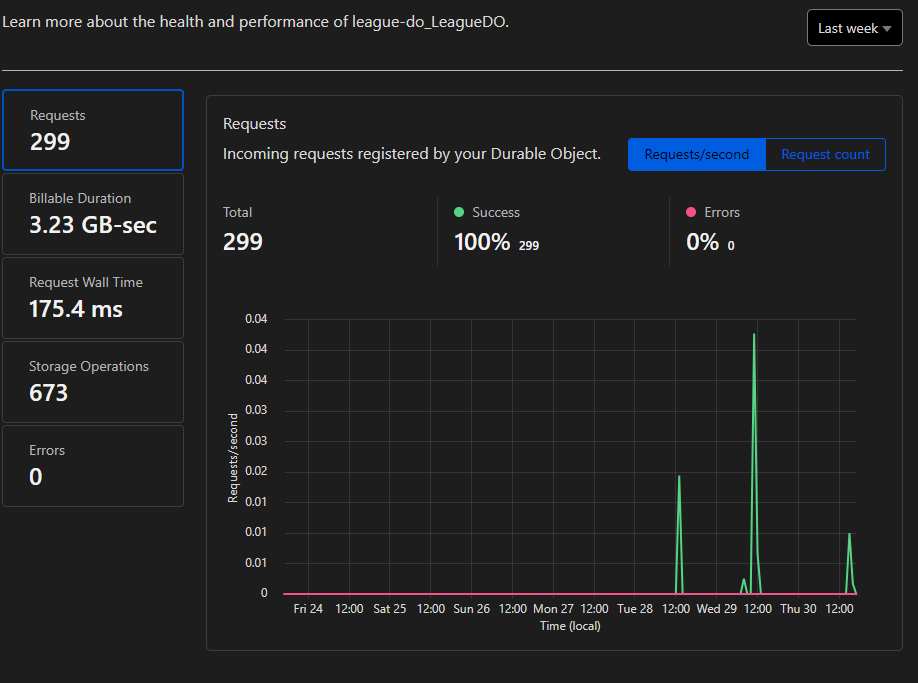
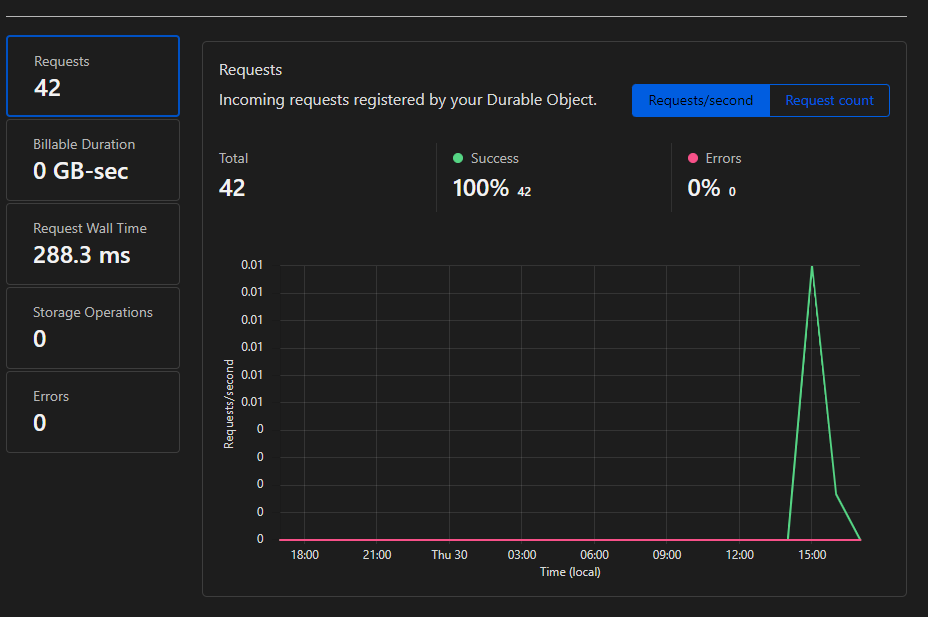 LSLS
LSLS B
B/studio B
BwebSocketMessage(source: WebSocket, data: string) {
for (let ws of this.ctx.getWebSockets()) {
if (ws == source) {
continue
}
ws.send(data)
}
}async alarm() {
await setAlarm(someTimestampFarIntoTheFuture)
await somethingThatWillFail()
}


