I'm not making any decisions until I've had a session in the simulator and flown a real MK IX though
I'm not making any decisions until I've had a session in the simulator and flown a real MK IX though, which will be this month
 M
M B
B C
C W
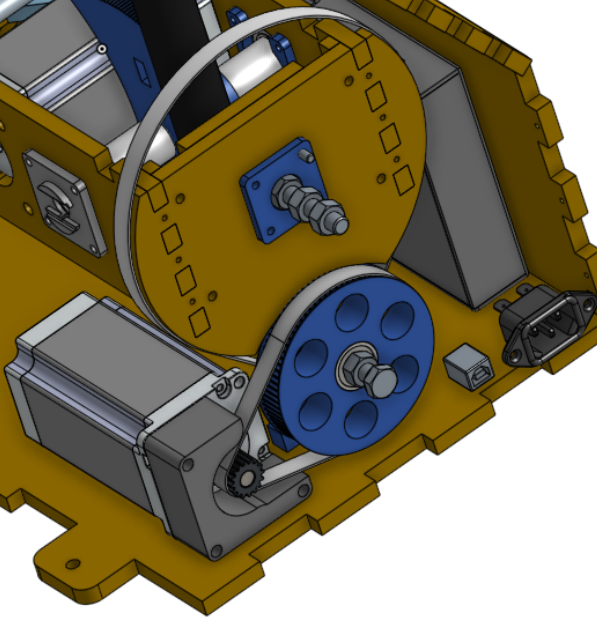
W showcase for photos. The regular motors (57blf) kit starts at 299€ and the bigger motors (86blf) start at 399€. The kits are plug and play and the working is demonstrated on my YouTube VPforce DIY video
  WWCWWCWCWCW
 V
V F
F W
W VVWWVWWVWWVVWVWV
 WVFVFF
 WWVVWFWW I'll chime in. So yeah there are couple of design decisions and compromises for the Rhino. I wanted to make a more accessible base and to keep the weight down while having decent forces. If it beats a Brunner offering then it's a win for me. And the shipping costs worldwide go exponentially with weight
  So material selection was based on that idea also. So I consider the Rhino as the 'advanced' entry level FFB device and once this project grows, I'll have more resources to start offering more PRO solutions.WW Even the 57BLF did provide 5-6kg at the stick (=20-30Nm)