
You can check the origin header, but that does not prevent someone from spoofing said header. Not to
You can check the origin header, but that does not prevent someone from spoofing said header. Not too difficult to do if you are using curl

 AA
AA HA
HA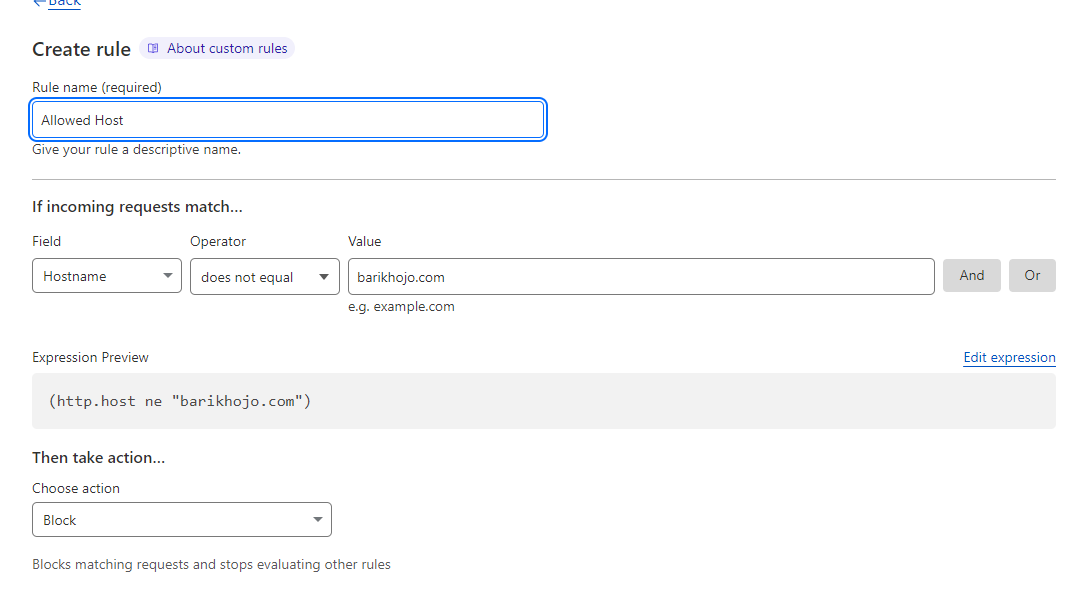 HHAHHHHAHHAH
 CHHCAHAAHAH
 AAA
AAA HH
HH H
H H
Huser and see what it sows?H H
Huser.id, and [ Object ].id is undefinedHH P
P M
Mconsole.log(env) output anything? It should be a map of your bindings.walletID - ?PMfetch handler without any wrapper functions..get is "failing" silently because it's just returning nullitty-router-openapi and what's happening there. If env is logging the bindings within that function then get should work, as it's a method on the binding type.P BMBM
BMBM
useruser.id[ Object ].idundefinedimport { GetGuid, CheckAuth } from '../../util/Util';export async function CheckAuth(env, walletID){
console.log(walletID)
console.log(env.SESSION.get)
try{
const sid = await env.SESSION.get(walletID)
console.log(sid)
}
catch(ex){
console.log(ex)
}
console.log("SID")
}console.log(env)walletIDconsole.log(env)fetch.getitty-router-openapienvgetexport const createSession = async (user: any, databaseConfig: KVNamespace) => {
let absoluteExpiration = 30 * 24 * 60 * 60;
let expiration = new TimeSpan(10, 'd');
const sid = generateRandomString(60, alphabet('a-z', '0-9'));
const SessionBody = {
email: user.email,
email_verified: user.email_verified,
expires_at: expiration,
};
try {
await databaseConfig.put(sid, user.id, { metadata: SessionBody, expirationTtl: absoluteExpiration });
} catch (error) {
throw new Error('Error creating session');
}
return sid;
};


