@pradyoth_ Welcome! Can you let us know a bit about your technical background, what brings you to DevHeads, and what you're looking to learn/contribute?!
For a solid data acquisition setup on an RTOS, go with the main stack , your C/C++. Python might not handle the real-time stuff as well. Keep it straightforward. C is quite good and you should be able to see some example files for it than Python
Yh very multi-purposeful . Handles simulation and modeling, and also assists in data collection and analysis all in one software. I feel it's more better than using a lot of softwares to handle these individual tasks. Simulink + predix = (digital twin)^1/2 lol
I understand digital twin as a virtual copy of real physical devices/processes. It's Implementation allows monitoring and analysis of devices so it's useful for predictive maintenance in industries like manufacturing, energy, etc
@Ronak Panchal Welcome! Can you let us know a bit about your technical background, what brings you to DevHeads, and what you're looking to learn/contribute?!
@Ankara_Messi Welcome! Can you let us know a bit about your technical background, what brings you to DevHeads, and what you're looking to learn/contribute?!
@Vizsla Geek Welcome! Can you let us know a bit about your technical background, what brings you to DevHeads, and what you're looking to learn/contribute?!
I've been chatting with Brandon... I knew him in his old OSM days. We've been talking about the community and I came to check it out. My tech background--been in editing and marketing of tech for years, starting with the really geeky publication Circuit Cellar. Not an engineer, but know the s/w side of things at a pretty solid higher level.
Currently working on the power section of my schematics design. Am using a voltage regulator of 3.3v 500mA. The total power(current) of the board at full load (when operating at full capacity) is 470mA, and the regulator has a drop out or leakage current of about 50mA. Will it still be ok for me to use this regulator or I should change to another. But the device will not always operate at full capacity, just once in a while. Will it cause any issue on the board. @PCB & Analog @MCU, MPU & Firmware
Hi, my name is Marvin. My hobby is programming and some other tech-related stuff I am not a pro, but I know some things in some areas. I joined this server to help people if I can and ask questions if I need help.
For butter results and the regulator won't heat up you have to add at least 25-30% that means you're consuming 450mA you should use 563mA - 585mA more is better , also it is recommended to use a heat sync with some thermal paste on it, because the heat effects regulator by time
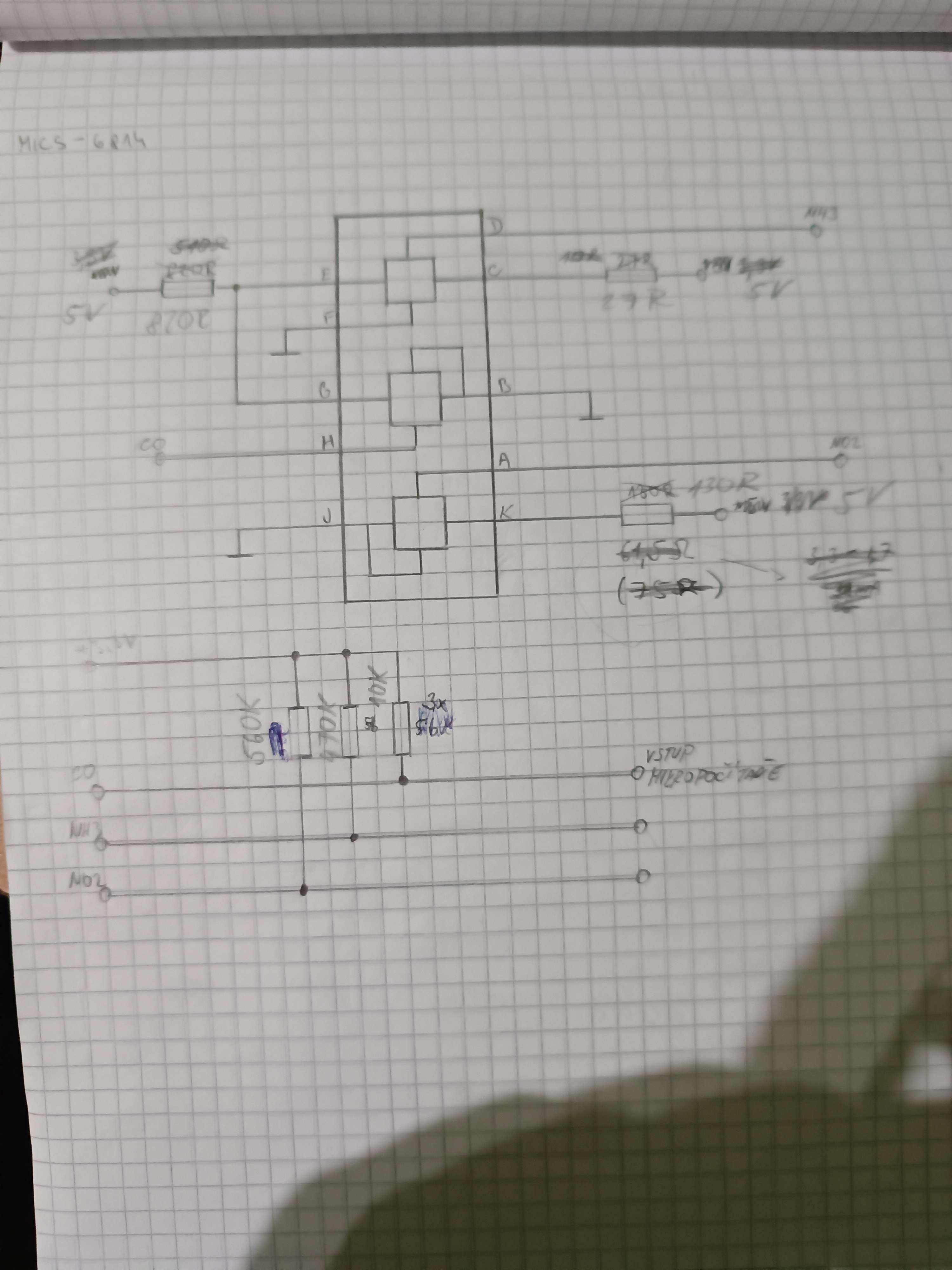
Hi, I have problem about bad voltage coming from the sensor.. If i convert it to ppm I will get 400 ppm CO, thatยดs not possible. Do you want to see my diagram?
Hi all, I'm currently working on a computer vision project. I've written code to measure distance using a single camera, but it's not performing well. I need some assistance in adjusting some parameters. Can anyone help me with this?
What's the use case? And what stage of development are you in? If you're looking for a USB-based eval module, you could check out Arducam: https://www.arducam.com/?s=usb&id=98994. They have a decent selection of affordable evks. If you are looking for something more professional it may be good to look into a higher end camera and combine it with a carrier. Connect Tech Inc creates such carriers and they have partnerships with commercial-grade camera manufacturers. lmk which direction you're thinking.
Someone who has been working on a lot of this type of stuff is @Yash Naidu but he's been busy for a while. Let me see if I can get him to jump in for a bit.
What parameters specifically are you looking to adjust?
Its better to go with regulator of higher capacity about 1A. If you have some inductive load then current consumption could be high at startup and this could bring supply voltage down, causing digital circuit to reset or go to error states, so better to go with regulator of 2 to 3 times of peak current