
woa... ``` npx wrangler --version ⛅️ wrangler 2.21.1 (update available 3.57.0) -------------------
woa...
npx wrangler --version
 ⛅️ wrangler 2.21.1 (update available 3.57.0)
-------------------------------------------------------
andrew@amackenz-mac collectr % wrangler --version
 ⛅️ wrangler 3.57.0
------------------- H
Hwrangler MMMH
MMMHnpmnpxpnpmpnpm wrangler deploy [whatever]
 E
E L
Lsatisfies JLL
JLLrequest: Requestenv: Envsatisfies ExportedHandler<Env>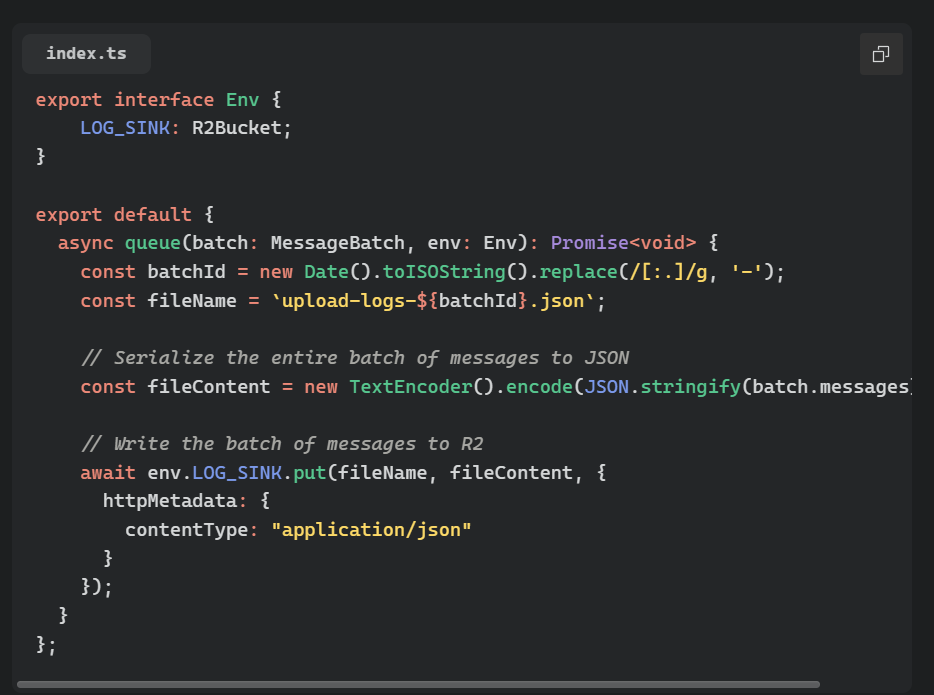 LJ
LJExportedHandler: Promise<Response>satisfies ExportedHandler<Env>;queuePromise<void>satisfiesbatchMessageBatchExportedHandlerMessageBatchsatisfiesExportedHandler<Env, MessageBatch> Many won't have type arguments though - they're JavaScript (not TypeScript) examplesLJ
satisfiesEnvindex.tsworker-configuration.d.tswrangler types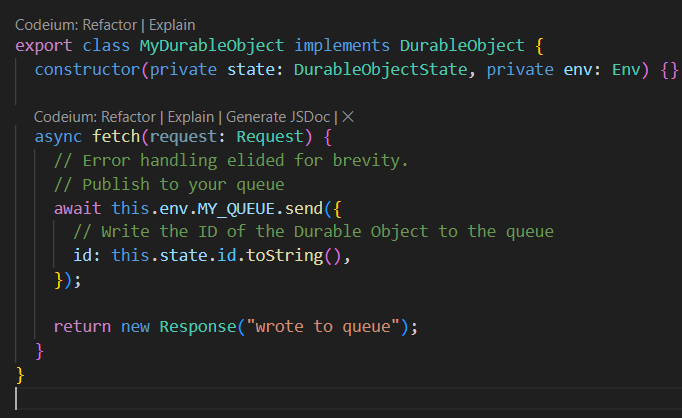 J
Jfetch: Promise<Response> D
DResponse | Promise<Response> is implied from implements DurableObject VH
VH TH
THexport default {
async fetch(request, env, ctx): Promise<Response> {
// do things
},
} satisfies ExportedHandler<Env>;Response | Promise<Response>implements DurableObject# wrangler.toml
# ...
routes = [
{ pattern = "example.test/api*", zone_name = "example.test" },
{ pattern = "localhost:4321/api*", zone_name = "localhost" },
]


