
Yes, you would set the expirationTtl for each get, they keys will not be returned past expiration
Yes, you would set the expirationTtl for each get, they keys will not be returned past expiration

 M
M C
C SC
SCNegative lookups indicating that the key does not exist are also cached, so the same delay exists noticing a value is created as when a value is changed.
At the Cloudflare global network location at which changes are made, these changes are usually immediately visible. However, this is not guaranteed and therefore it is not advised to rely on this behaviour. In other global network locations changes may take up to 60 seconds or more to be visible as their cached versions of the data time-out.
Cif I read the key again with cachettl of 30 days would the key come back as null until the 30 days has passed? or would the write be reflected within 60 seconds or so?As for that, with KV 2.0 (or whatever they were calling the new version they announced and then rolled back) it was always doing background refreshes regardless of cache ttl and you'd see changes within ~60s or so, some docs may still reference that. But with KV 1.0, which we are currently on, it's up to cache ttl
 V
VKVCACHE HVH
HVH C
C A
A D
D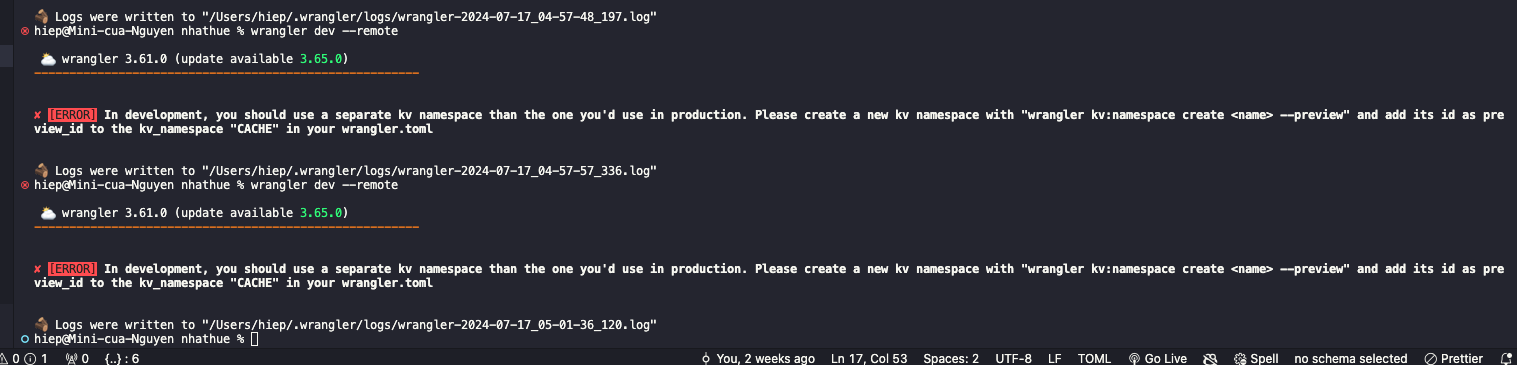 DDH
DDH—remote JJ
JJ CJCA
CJCA HAAA
HAAA T
Twrangler dev --remote S
ScacheTtlcacheTtl24hcacheTtl YH
YHcacheTtlcacheTtl MM
MMkeys/1000 days?)M WWW
WWWbase64
boolean
Whether or not the server should base64 decode the value before storing it. Useful for writing values that wouldn't otherwise be valid JSON strings, such as images.
MWEach key-value pair in the (bulk write) PUT request is counted as a single write, identical to how each call to PUT in the Workers API counts as a write. Writing 5,000 keys via the REST API incurs the same write costs as making 5,000 PUT calls in a Worker.
 J
JkvOperationsAdaptiveGroups and kvStorageAdaptiveGroups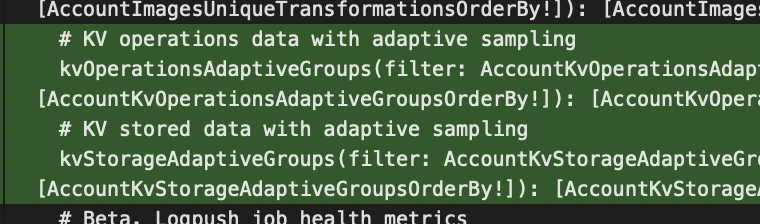 MSH
MSHkeys/1000kvOperationsAdaptiveGroupskvStorageAdaptiveGroups CDCloudflare Developers / d1-databaseCDCloudflare Developers / workers-and-pages-discussionsCDCloudflare Developers / workers-and-pages-discussionsCDCloudflare Developers / logs-engine


