

 C
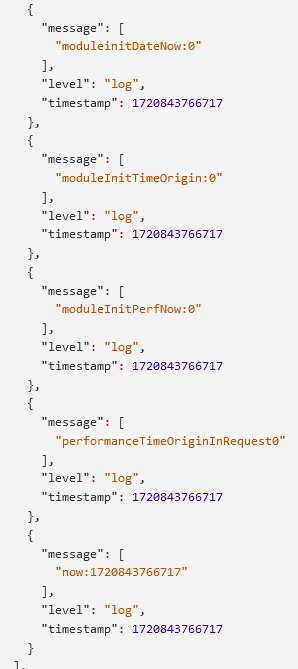
Cdid they hide it again? what the heck
 J
JHmm well at least it's consistent
C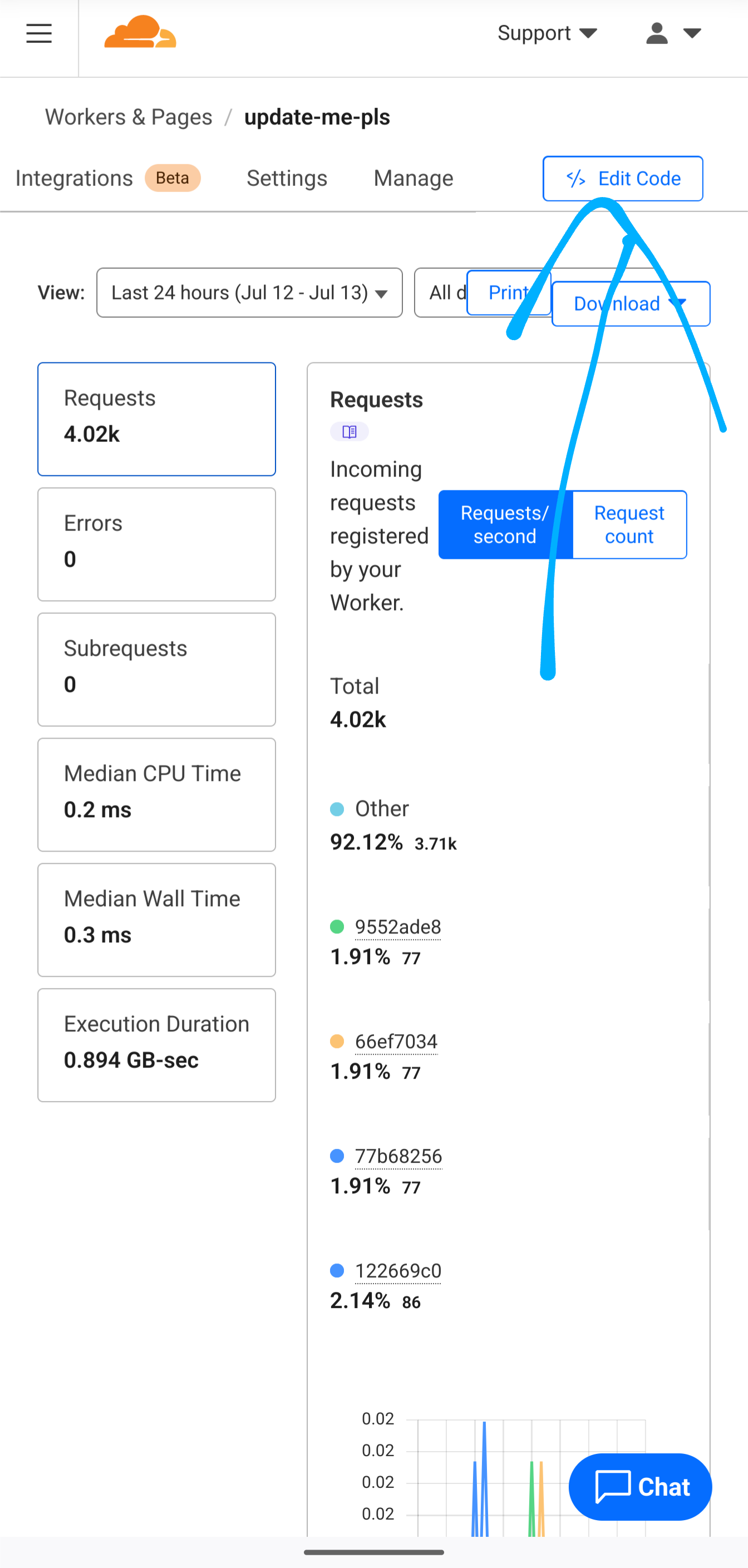 C
Cdid you scroll over enough?
Cfunny because they did actually remove it at one time on mobile and we had to get them to readd it lol
JOh.. it's scrollable
JThe joys of minimalist interfaces without scrollbars.. there's no way to know something's scrollable
Ceditor isn't much better if you stick to vertical w/ a small screen lol
JShould probably stick to coding on my laptop then 
JAlright that's enough chasing runtime quirk rabbit holes, better get some sleep

 P
PGuys i just tested deploy.workers.cloudflare.com . Why it is so hard to just deploy other users workers? Requires: Github Auth, CF Acc Id, CF Token (no template for that), Fork repository, enable github action, deploy worker. Lol its really hard to do that for someone who is not using cloudflare. Why it is not just simple url to do all that staff with CF auth? It works like that way for other clouds like Azure.
POne first time i thought that its not official installation mode, but looking on url looks official.
PI think the best workflow should be enter URL -> redirect to CF Auth Page -> Security check are you sure you want to install this worker Yes/No -> Worker deployed.
Pbtw. deploy.workers.cloudflare.com looks really clear and easy to understand, but I think it is just overcomplicated.
 Z
ZThis platform has a lot of weirdness of learning curve quirks. After having finally gotten all its features figured out and working, I can say it was all worth it. Now plz give us full version of vectorize and all will be as it should be.
J W
WWait, and how can I add them as Hostnames through API? Does cloudflare workers also provide this feature?
WWait I forgot it’s with the domain's zone, I think there is an API for it
WYup there is
WIt is
 R
RHello, is there any plan to support ICMP? I woke up this morning with an idea to use a Worker as a status reporter for my server just to discover we can't send ICMP.
Or do you have any suggestions on how to achieve that.
I was thinking about using TCP sockets... But I fear my fail2ban will ban the worker IP
Or do you have any suggestions on how to achieve that.
I was thinking about using TCP sockets... But I fear my fail2ban will ban the worker IP
 W
WNo plans for ICMP, are you just trying to get latency to the server? Ideally you want to healthcheck services for status checkers
You can also make fail2ban not ban Workers but of course opens a bit of a hole.
You can also make fail2ban not ban Workers but of course opens a bit of a hole.
 R
RThanks for your answer. I just wanted a, cheap, external service to ping my server and send me a notification on Telegram.
RI can indeed expose an http service on the server for healtcheck. But ping is easy, no need to deploy anything on the server

 I
Idoes a icmp response always mean that the http service is running and healthy 
WBut is it a monthly pay or per usage both API and Fallback Workers? (CF SaaS)
 R
RNo. But that's exactly what I want. I want to check the machine is up. Not the http service
 C
Cyou pay monthly for each hostname over 100 at $0.10 per hostname per month, and you pay for whatever worker execution costs as well
 T
Thi, is there anyway to detect request is from a known bot or not from cloudflare workers?

 Z
ZCloudflare Docs
Bot Management provides access to several new variables within the expression builder of Ruleset Engine-based products such as WAF custom rules.
Tso this features is only available for enterprise? I'm using pro plan
Tbtw is there anyway to use image transform on images stored in a private R2 bucket in workers? I'm using Image Transform to add watermark to my image stored in R2. I'm implementing it by creating a presigned url to R2 objects and pass it through
fetch()cf.imageReferer N
Nis there an adapter for
node:httpsame eta with every other cloudflare product: :soonsoontm:
 V
Vsometimesss:bibicat:

 J
JI had to hoist packages using pnpm with turbo to get my monorepo to work.
 A
AI have a hopefully easy one. We're using Cloudflare to front our websites, but just for DNS - so we have
All well and good, that works fine, now what we want to do is have a worker route intercept some traffic and set some additional headers on the response. I thought this would be pretty simple - have a worker route for
However, what's actually happening is downstream (
www-staging.foo.comstaging.actual-origin.comwww-staging.foo.comAll well and good, that works fine, now what we want to do is have a worker route intercept some traffic and set some additional headers on the response. I thought this would be pretty simple - have a worker route for
/the-page-to-interceptawait fetch(request)However, what's actually happening is downstream (
staging.actual-origin.com
 H
HSo, to confirm, your CNAME record is proxied, right?
AIt is
 A
AIt works delightfully if I mix up staging and production URLs But then the hosts aren't the same so it makes sense it works nicely (e.g. if I instead hit
But then the hosts aren't the same so it makes sense it works nicely (e.g. if I instead hit www.foo.comwww-staging.foo.comI'm also hoping you might tell me it's hitting cache or something and I've since fixed the problem and when the cache clears it'll work
HDoes your origin have any kind of logging?
AIt does but it's managed by an external agency, so it's not not something I directly have access to to debug. In theory, should the above work then?
HI'm just struggling a bit to make a mental model of which requests have what headers, tbh...
ASo in the browser the user will hit
www-staging.foo.comstaging.actual-origin.com- all works fine.
www-staging.foo.comfetch('www-staging.foo.com')fetch(request)Okay, I found out a key piece of info: the downstream (
staging.actual-origin.comWhat's the best way to set that header? As it doesn't appear to be working, I'm doing:
ABack to the drawing board, the header is set as transform rules apply before a worker
WI see, I have a question.
I activated Custom Hostnames (CF for SaaS), but it asks for a fallback origin, which is a record inside my DNS (A, AAAA or CNAME) but where do I point this record?
I activated Custom Hostnames (CF for SaaS), but it asks for a fallback origin, which is a record inside my DNS (A, AAAA or CNAME) but where do I point this record?