
And this is for interaction tracking? If you are the one generating the URLs, maybe you could add so
And this is for interaction tracking? If you are the one generating the URLs, maybe you could add some kind of validation step?

 D
D B
B M
M E
E J
J PPP
PPP
 CPCPPCCPPPPJ
export default {
async fetch(request, env, ctx) {
const url = new URL(request.url);
if (url.pathname === ENDPOINT) {
handle(request, url);
}
}
}addEventListener("fetch", event => {
const url = new URL(event.request.url);
if (url.pathname === ENDPOINT) {
event.respondWith(handle(event, url));
}
});J K
K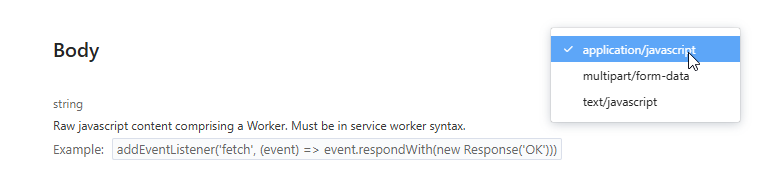 KK
KK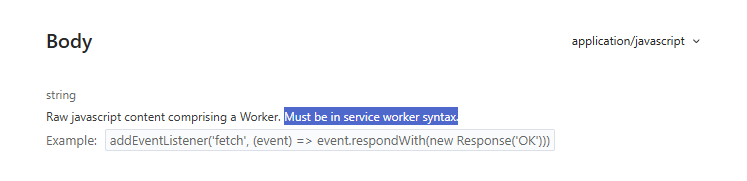 J
J PPP
PPPLastly, if you work at a startup, your company may run automated services that haven’t reached the scale we require. But you still need a way to allowlist these services.I crawl sites to generate page previews in response to user action, and I've been getting a lot of titles back as "Just a moment..."
P R
RBest practice
Configure a single consumer per queue. This both logically separates your queues, and ensures that errors (failures) in processing messages from one queue do not impact your other queues.
PP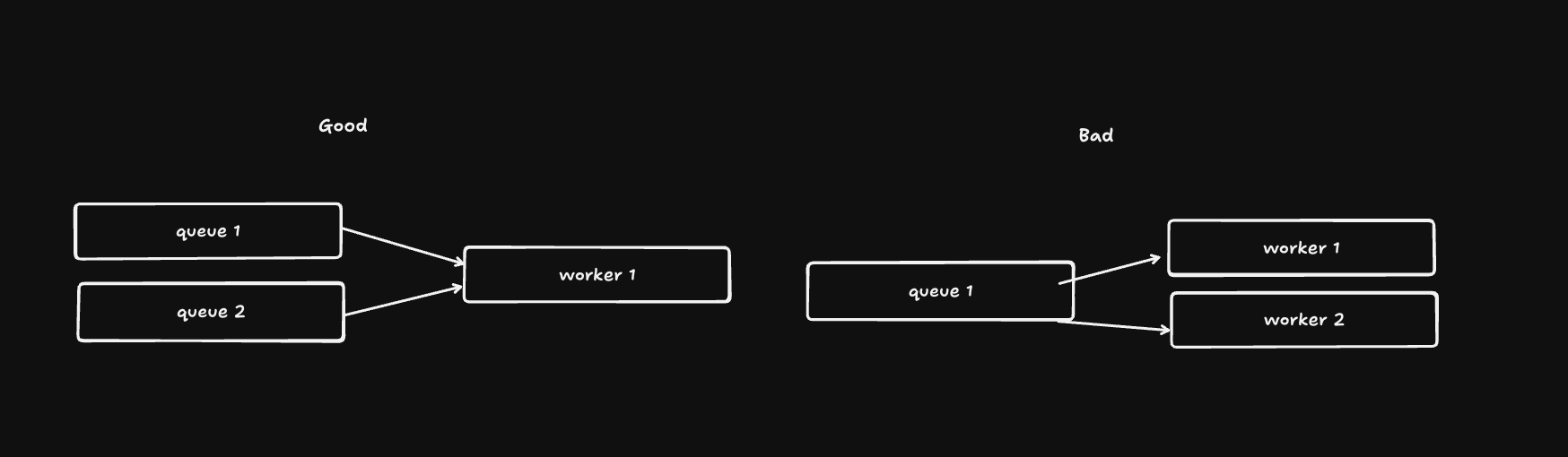
 AA
AA B
B D
D I
I IICIICICCI
export default {
async fetch(request, env, ctx) {
const url = new URL(request.url);
if (url.pathname === ENDPOINT) {
handle(request, url);
}
}
}addEventListener("fetch", event => {
const url = new URL(event.request.url);
if (url.pathname === ENDPOINT) {
event.respondWith(handle(event, url));
}
});


