that question (throw limiter) opens up some questions for me that I'e been wanting to ask... Let's suppose (for discussion) that I'm trying to replicate the throw of an f18 stick. I think I want to replicate the angular distances that the real f18 stick covers not necessarily replicate the angle that it travels. This is because distance traveled will vary based on the length of the stick to cover the angle. My theory is therefore that the angular distance is more appropriate to replicate than the angle. Using a little math based on real f18 stick specs and the actual length of my own stick I can then replicate the actual throw distance in my simpit by using the appropriate angle throw limiters. Is this the right approach?
so back to the f18 example, if the actual aircraft has 3" of travel in each roll direction and my stick is 18" from the pivot to the trigger, then using theta = arc length / radius gives me theta = 3 / 18 (*180/pi to go from radians to degrees) I get 9.5 degrees in each direction as the appropriate roll throw.
Your approach is the most practical and would be the one i would use based on those constraints (length of stick vs real length of stick). Just be aware that there will still be differences as it ultimately comes down to rotational precision at the gimble. so if your stick has less angular displacement for the same linear throw you will have less precision at the gimble aka it will be more sensitive. and vice versa if you have a greater angular displacement
@buzzbomb I think part of what you are saying is that if i limit the travel of the stick too much I lose a lot of resolution in the stick position sensor?
typically that problem would be more likely to occur the longer the stick is... I think mine will be mounted without any extension, so unless the travel of the actual stick is really small (like the f16 is) I should be ok? My guess is that you want to use at least half of the available rhino throw, but I'm open for other opinions on that.
it really depends on the geometry and the aircraft. The F16 is an outlier as its a force sensing stick and displacement doesnt really play into the input to the FLCS. Its just there for the pilot's 'feel'
agreed, probably bad example in this case. I think the question is how much can you limit the throw of the rhino for a particular aircraft until you lose so much sensor resolution that you've made the aircraft hard to control and/or begin to lose the "feel" of the aircraft
im sure there is an objective limit to the rotational sensitivy of the sensor but i cant tell you if you will hate the fell before you reach that limit or not
unfortunately most of the RW aircraft i have flown regularly with a stick have non-standard setups. The stick is geometry is essentially the same as a yoke. But The Rv-12, and 7 are normal but also really light on the controls. They will be a good comparison test in terms of angular sensitivity
WINWING CYBER TAURUS 2 FFB Base: Pitch Control Force – Rated Torque 20+N.m; Roll Control Force – Rated Torque 20+N.m. Official Price at Global Shipping: 429.85 USD
yep i have two of their throttles, identical models (with different grips). and there are substantial quality difference between them. Their software is Meh, i only use it for calibration. Their customer support is sssllllloooowww and actually had me open up one of the grips and rip a SMD device, a diode, off the pcb to solve a problem.
well FWIW they do have some experience in making level 5 FTD and they did also claim that the experience has been applied to it ("FAA FAR-PART60 LEVEL 5 Joystick Control Loading (Force) Modeling"). At least they have some advantage on that part if they truthfully honor their words. But yeah it's WW and the price is quite unusually low so we'll have to see.. Also they almost certianly won't support grips from other brands which could be a problem.
Well, you have to dial in some basics in the Rhino config software. And then I would recommend using TelemFFB as well. The native FFB support in MSFS is…… sparse…..
their statement " ("FAA FAR-PART60 LEVEL 5 Joystick Control Loading (Force) Modeling"). " is really marketing mumbo jumbo. here is the definition of level 5 in the eyes of the FAA. A device that may have an open airplane-specific flight deck area, or an enclosed airplane-specific flight deck; generic aerodynamic programming; at least one operating system; and control loading that is representative of the simulated airplane only at an approach speed and configuration. All displays may be flat/LCD panel representations or actual representations of displays in the aircraft. Primary and secondary flight controls (e.g., rudder, aileron, elevator, flaps, spoilers/speed brakes, engine controls, landing gear, nosewheel steering, trim, brakes) must be physical controls. All other controls, switches, and knobs may be touch sensitive activation.
now if they were level 6 id be more interested in the comment
yeah that minimum requirement is not fancy I know..I was just saying they have gained some, hopefully better know-how over some of the competitors, from building their C172 and DA40 FTD for Civil Aviation Flight University of China..like knowing what data is needed, how to get and process them, what needs to be simulated(for example, breakout force), and some other details needed to be taking care of(not for software but for example, how high the control needs to be mounted/mounting solution ). I mean, the simulation side of experience should be better than that of their other software..but who knows, it's aft all ww
Do want to point out that being skeptical doenst mean i hope they dont succeed. If they pull of even a MVP as having more hardware on the market will make it worth developers time to add support in current and future titles
Is there anything that can be done about multicrew aircraft in the control missmatch department? Every time I switch seats in the 64, the aircraft is no more.
I would assume that is a DCS problem specific to Apache, because in other multicrew aircraft I flew lately, I didn’t have the slightest issues switching seats (namely C-101 and Mi-8).
Turns out my dumb ass reversed an axis in dcs and not in the VPF software, creating an equal but opposite pitch reaction in the stick FFB/DCS. It is now corrected and seems to be working as intended.

 C
C J
J B
B
 R
R D
D J
J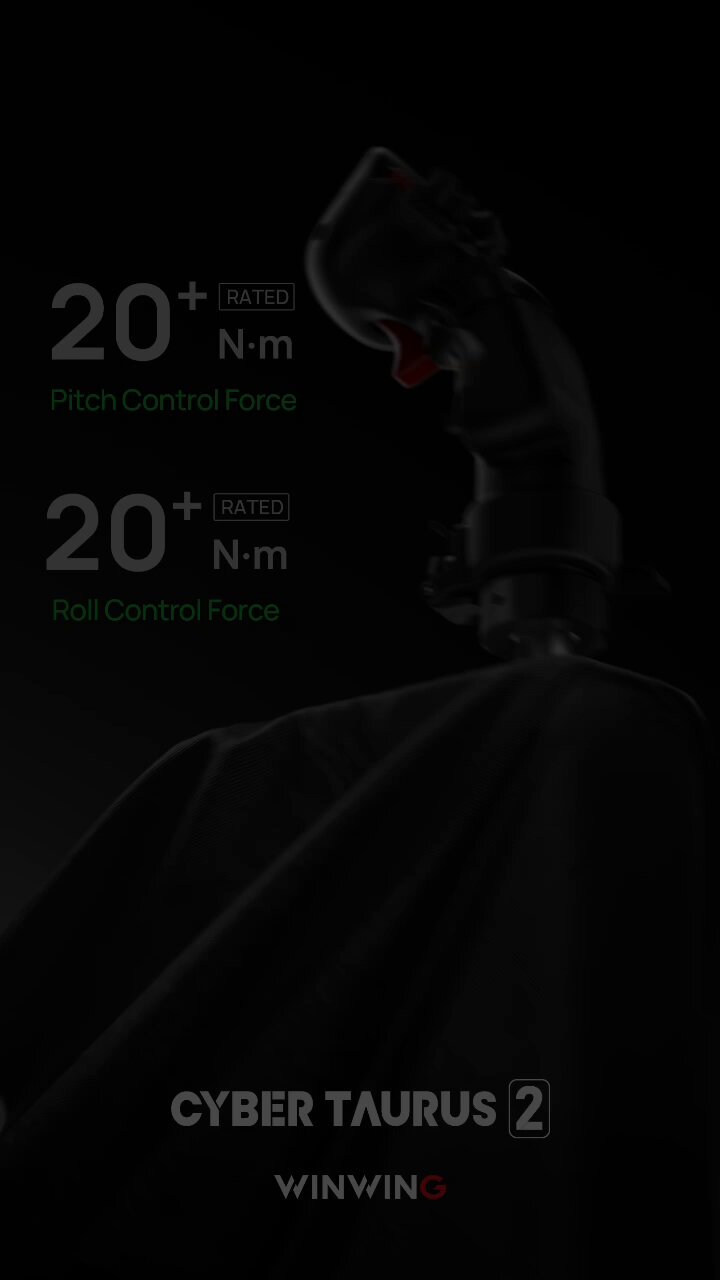

 D
D 一
一 M
M S
S H
H *
* D
D

 R
R
 C
C


