Not sure if I understood, but in general - longer extension, lower max force felt in the stick, also - longer extension- longer throw. The precision is very good in any configuration
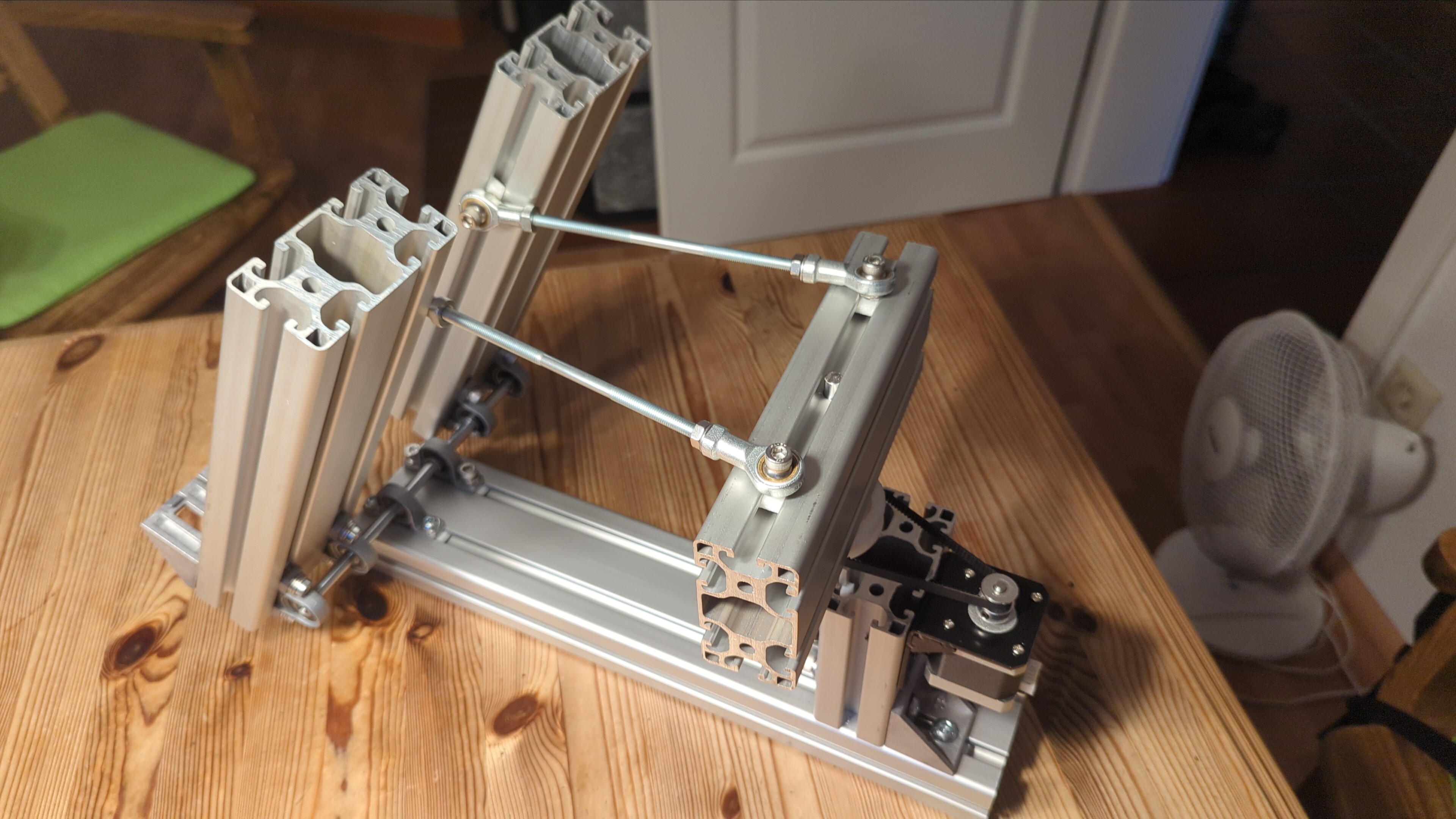
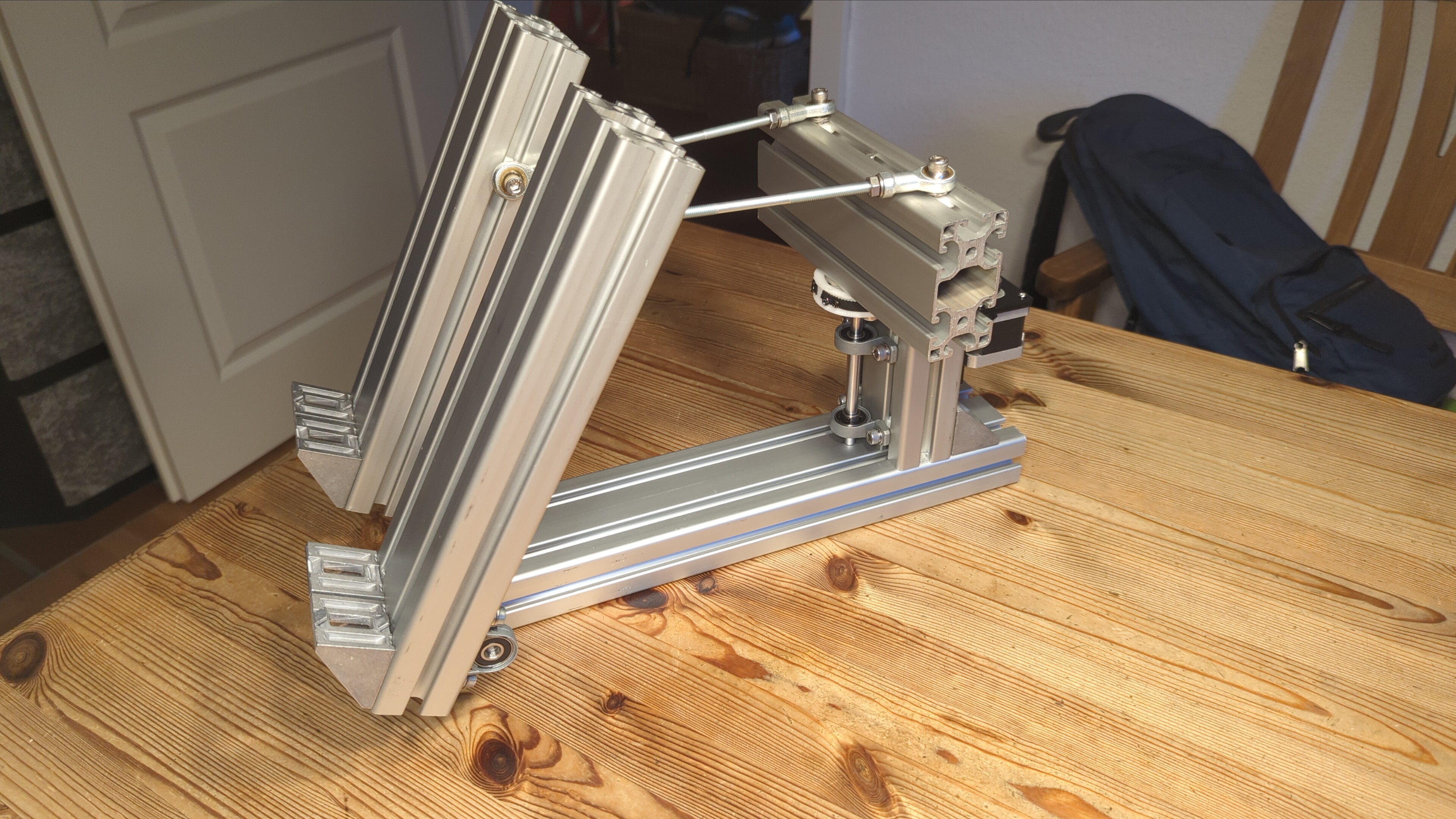
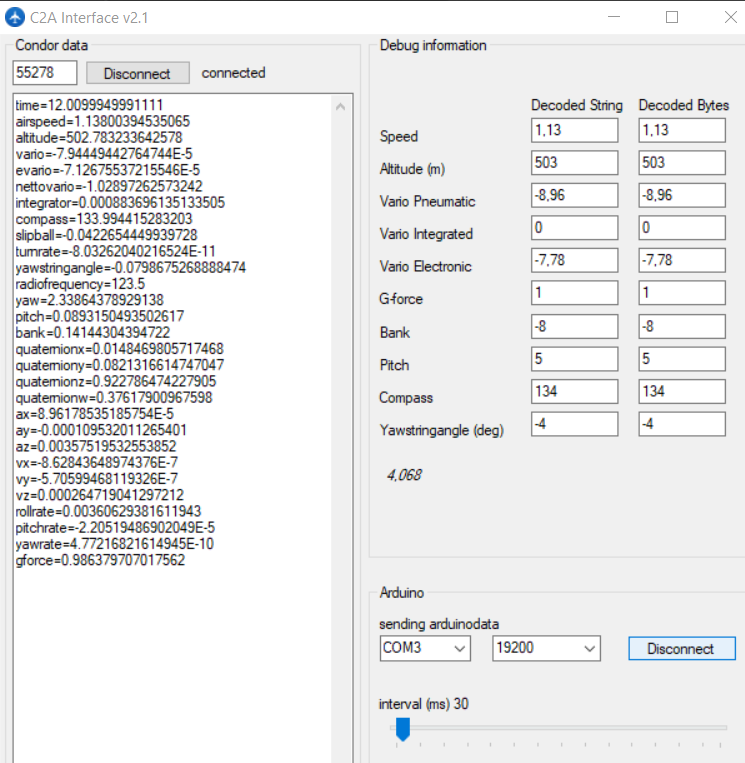
I build some rudder pedals wit simple parts, targeting planes, but the should do for you as well. What is still missing is the electronic part that can load the motor according to the force acting on the rudder in dependence of the airspeed.
What would need to change to make it more extension friendly? In general when you have such a large base and want to center mount a stick for a seat with a center cutout, the base needs to be mounted below the seat with the extension passing through the cutout. This is why I haven't bought the brunner, because they say it doesn't work well extended and the only thing that does is the $10,000 brunner.
Not sure if it's a problem though. You can calculate the force, for example with stock Rhino at 9Nm you get: 9/0.168m/10 = ~5.3kg max force, if you extend it to 30cm you get: 9/0.3/10 = 3kg
I have firmware compatible with ODrive board (for pedals single axis ODrive will be enough) that supports FBB based on DCS telemetry. It genareates spring from speed (you can setup curve for it) as well as centering force from thrust (emulates air flow around rudder for propeller drive airplanes). In addition it generates vibration depending on AOA and G. So if you have three phase motor you can try it.
I agree that the easiest way is to scale a spring curve with the plane velocity. Zero velocity will mean spring rate zero or very low, higher slope if velocity increases.
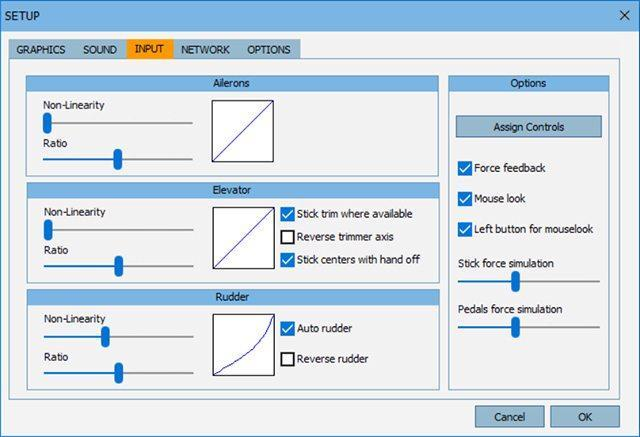
I wonder if Condor/DirectInput supports three axis FFB devices. Or one two axis device and a second one axis device for the rudders. It could be possible to connect three motors to the VPforce FFB system, just hadn't had the chance to test this yet.