Hi @Roshan Baig Mogal Great, these days in Engineering Hour covers wide topics like FreeRTOS, CMSIS-RTOS, etc. with STM32F4 Nucleo. Also, for beginners getting-started type videos incl. basic, adc, pwm, uart etc. I suggest to check the playlist https://www.youtube.com/watch?v=NnwE9EfFpls. Cheers!
Hey guys, what do you think? Is the use of Proprietary software better than Open-source software in Critical systems such as those used in healthcare, aviation, or government? I'd like to know your judgments when it comes to critical systems. Let me hear your view. @Middleware & OS @MCU, MPU & Firmware
If it's a critical software some part of it will surely end up being proprietary and depending on how you develop some parts of it will be open source, I think this is a very wide net cast here. Keen to see what others feel
Define 'better'! Do you any kind of networking? If so, they are probably using something from the BSD TCP/IP Stack - which is open source. Do these services run on a server? If so they will probably be running Linux - which is open source.
Having worked in all of those sectors, what you may find is that they want a 'supported' version of things. That's why they want something like RedHat or Ubuntu. These are still open-source
they just come with a support contract and a phone number that the customer can use to shout at some poor techie when something goes wrong.
Yes there are some community members who work with it. What's your question/issue, Asefmo? BTW, welcome. (@zacck lives under a bridge and eats all manner of bones)
Hey everyone, I'm currently working on an electromagnetic flow meter project and have finished the assembly, including the electrodes and Faraday cage. Now, Iβm moving on to the circuitry, but Iβm facing some challenges. The signals from the electrodes are in the mV range (or smaller), so Iβll need an amplifier circuit for proper signal processing. Additionally, Iβm looking for a suitable H-bridge or similar setup for controlling the electromagnets.
As a second-year undergraduate student, I donβt have enough experience to confidently move forward with the design. Could anyone recommend resources or guidance on how to approach the circuit design for these requirements?
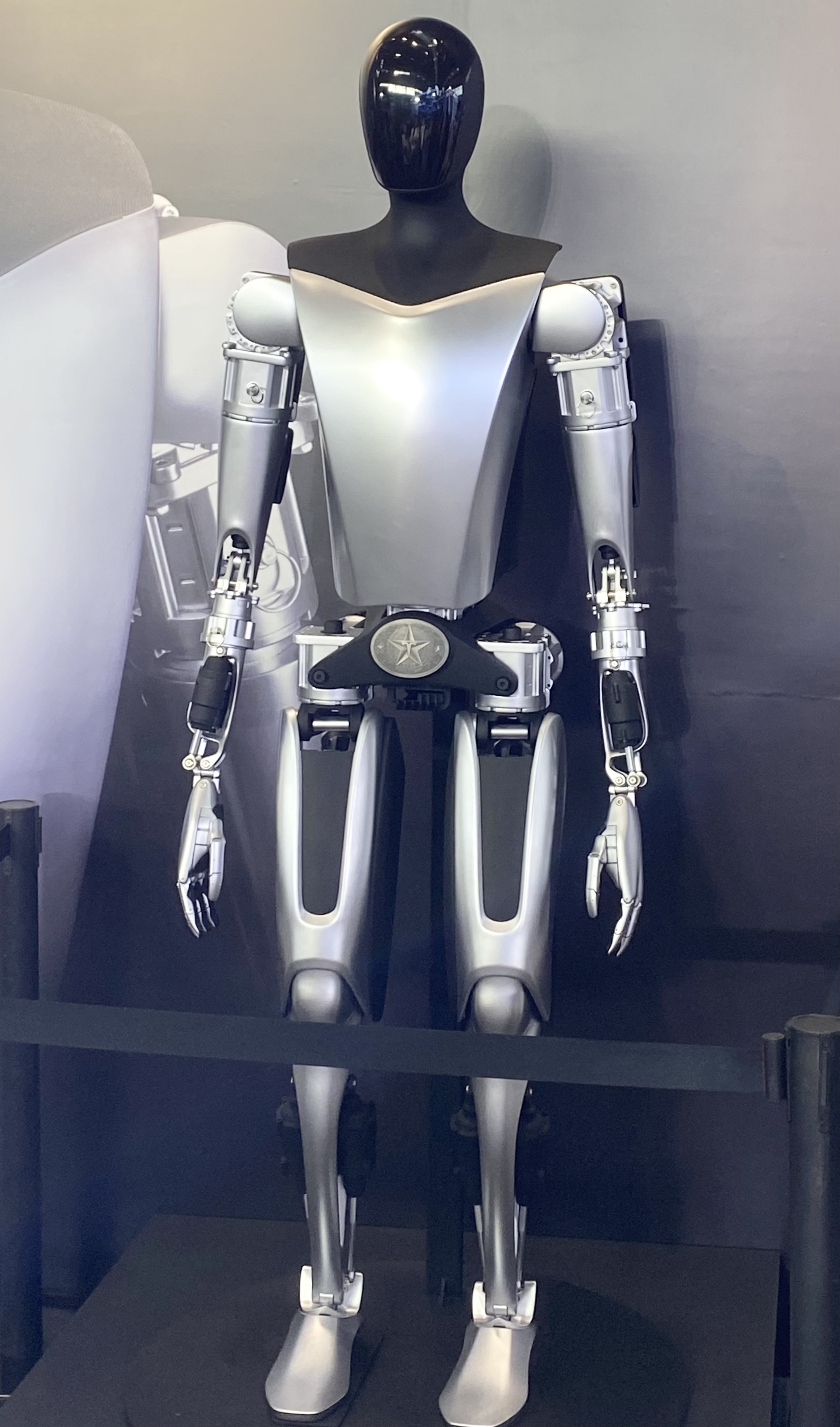
almost a real life Jarvis from Iron Man tho . But jokes aside, the Optimus robot can really do tough jobs, it might change how factories and businesses work. Is Tesla using their existing neural networks for control, or did they build something new for this robot?
Wow, looks like we're one step closer to living in a sci-fi movie! With a $20,000 price tag, Optimus could be the most expensive housekeeper everβbut hey, at least it wonβt complain about doing the dishes!
Master the essentials of task synchronization in FreeRTOS with our session on Mutexes & Semaphores for Arm Cortex-M. Learn to effectively manage resource sharing, improve application stability, and implement best practices for real-time systems! @Event Pings https://discord.gg/7YmCCMFe?event=1293257252496736329
Does 30 years in the industry count? The only thing one can say with certainty is: Smaller, Faster, Cheaper There will always be a split between Bare Metal, RTOS & Linux - mainly because these fill difference niches. There will just be more of all three.
My only guess is that the AI bubble will burst. At the moment, you just slap an 'AI' label on it and then go raise some investment. This is something I have seen too many times with DotCom, Web2.0, etc, etc. They all burst - leaving the things that actually had purpose space to grow properly.
LLMs are good for helping, but they don't understand. There is a lot of good AI/ML out there, but is in far more specific areas not general level intelligence. When I was researching AI in 1992, full AI was always '20 years away'. 30 years later, it is still '20 years away'! Saying that, the advances are coming through far more rapidly now. As embedded gets more powerful, then yes, there will be a lot more 'AI' at the edge as there has always been a flow of technology down to the smaller devices. I remember when having a network stack on a hand-held device was exciting!
Iβm curious how much the Musk Optimus robots βunderstandβ at this point. Youβd think they would have to at least to some extent to perform as advertised.
These days I see embedded devices in two forms, low-power battery operated devices used widely in IoT. And other category is power-hungry devices, capable of running n training AI algo. and require huge compute. Now as future is AI, with embedded devices surely become more expensive in terms of power consumption. Because energy is not yet cheap at many geo. But, I agree and enjoy reading news and learning associated cost in the market for operation and deployment. By the way it's possible to run small logic (pre-trained model) in the form of rules to perform at the edge for battery-operated embedded devices. Now you can called it as AI or not is very subjective. Happy to hear from others perspective.
PLEASE JOIN AS A SPEAKER IF YOU WANT TO PARTICIPATE IN THE DISCUSSION!Join DevHeads meetups to connect with other DevHeads and riff on a variety of topics for 30-60 minutes. Join here: https:...
Does inferred knowledge like this require a level of unsupervised learning? I guess it would have to... which is also the great fear when you have an army of robot slaves all around us.
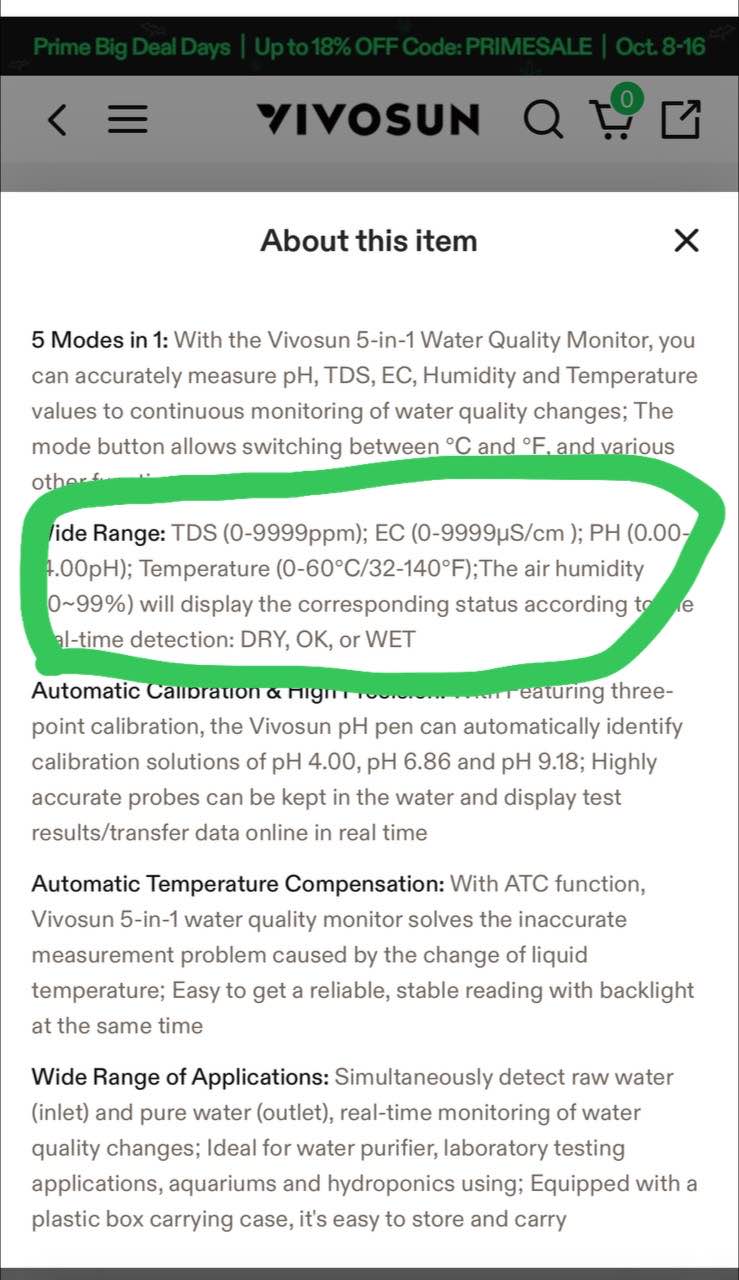
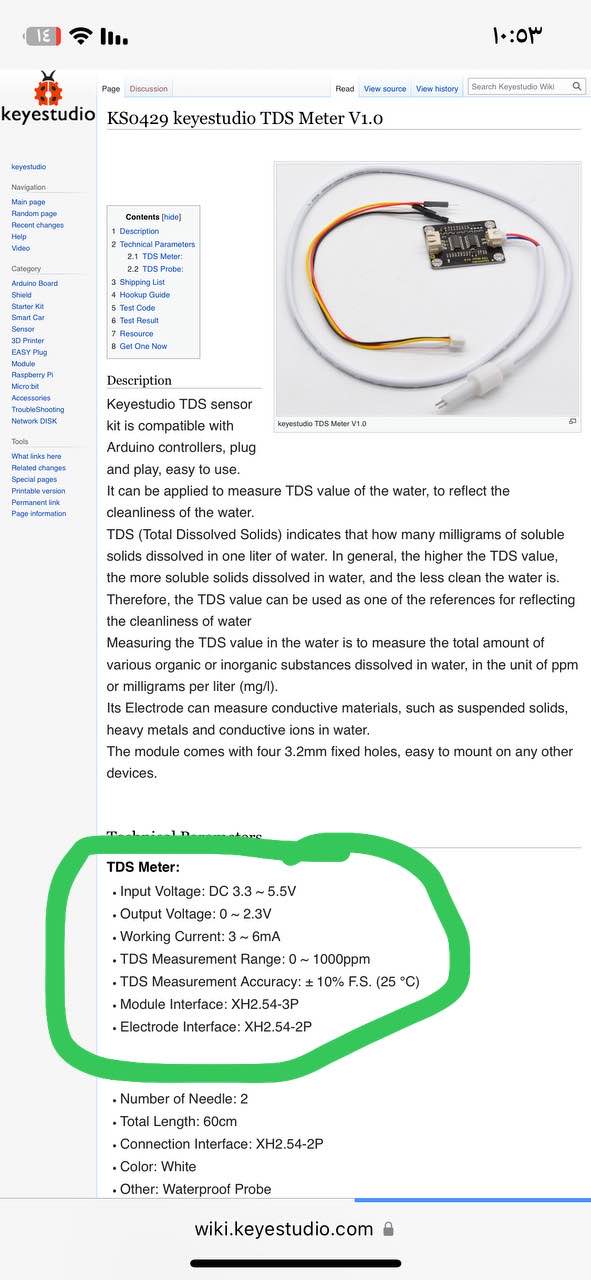
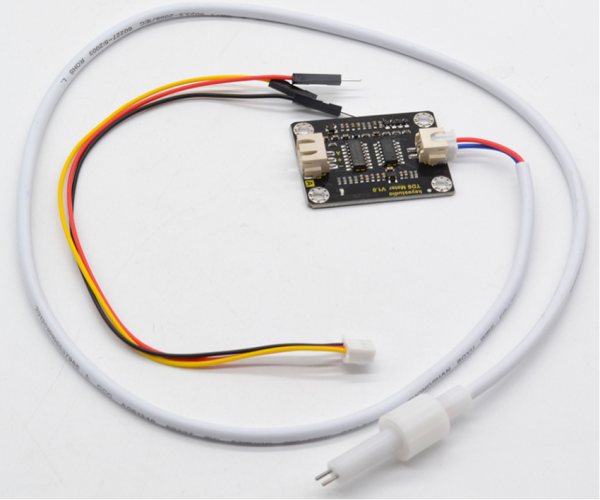
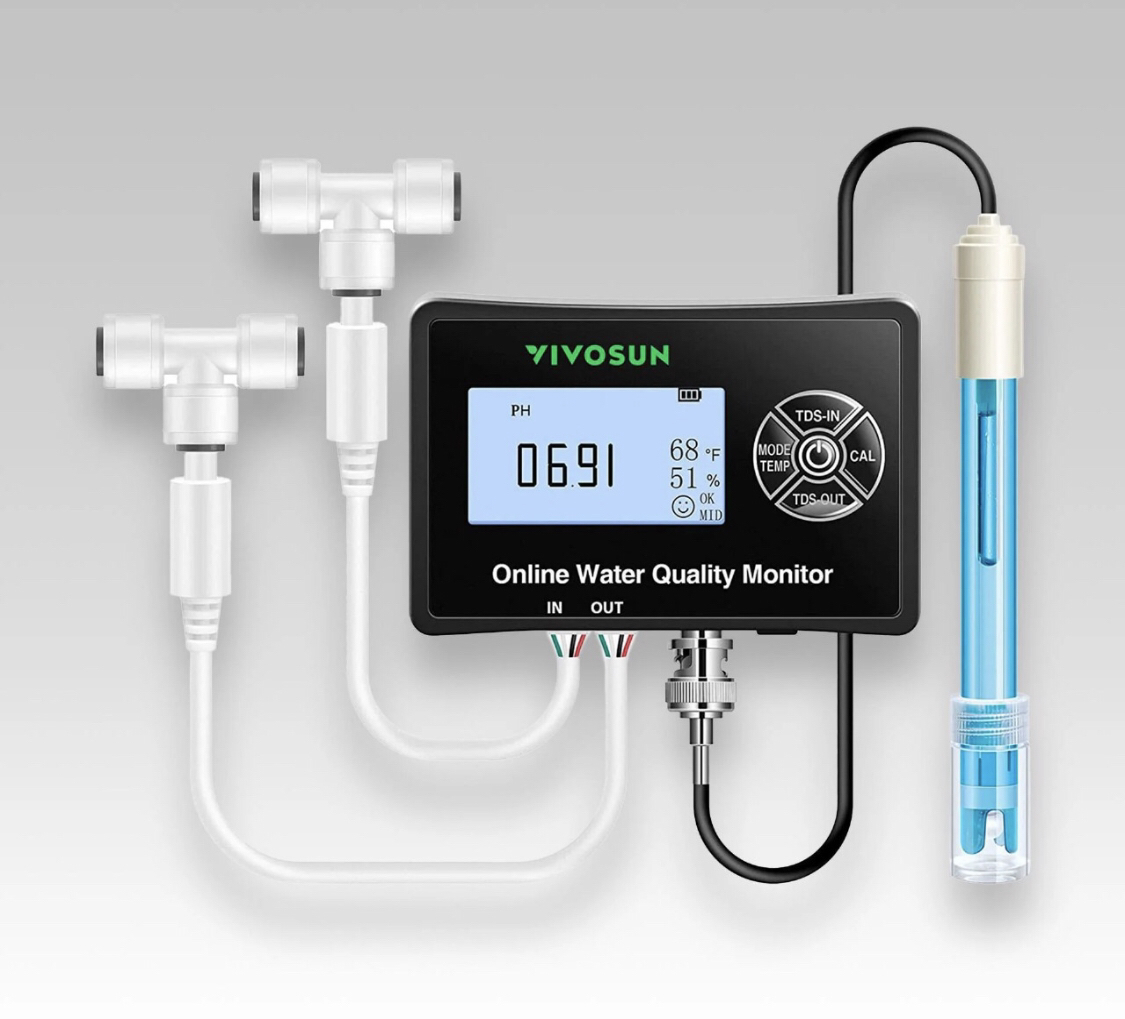
I have a tds sensor in the data sheet that reads from 1000-0 PPM, but there is a project on the market that has the same sensor attached to it, which is the tds meter v1, that reads up to 10,000. How did it manage to do that? Can anyone help me?
Are you sure itβs the same sensor? Did you double check the sensor datasheet (not a wiki) and also double check the product is in fact using the same sensor and only that sensor?
Yes, I am sure it is the same sensor. I read the sensor data sheet from the manufacturer and it only reads 1000 PPM, but I do not know how to make it read 10,000 PPM.
Is it possible to connect arduino uno R4 wifi to blynk platform with a library like blynk.edgnt where I can change the password and wifi network name without having to change the code?
It's possible, you may need to use OTA feature provided in Blynk Cloud. It has a dedicated OTA tab in the dashboard. I mean you can change the password in the form of new firmware release (over the air) update