Heh was just calculating it for 300mm. Even at 30arcmin that's only 3mm which is still within the allowed slop spec'd in the maintenance manual of the glider I fly
I'll put an indicator on the version I have when I get home and get an accurate measurement. I'm just using 3d printed arms on it right now (waiting for a broach to show up) and have a 24" cyclic extension. During use there is enough flex in the whole setup that the backlash was undetectable at the grip. Once the aluminum arms are done I will report back. The version below is rated at 3 or 5 Arcmin depending on ratio. I didn't want to wait for them to arrive from China. https://www.aliexpress.com/item/1005001310958833.html?spm=a2g0o.detail.1000023.16.4efe4548zaGKXd
Not cheap but damn that's precise and I'm sure quite economical vs an American of German version of the same thing lol. For people with more money than space it seems like a great option vs belts. 10:1 doesn't seem unreasonable either, you lose 10% of the input torque for one but Walmis tested the system at 24:1 already with no adverse affects. Might make 'backdriving' the system misbehave though?
Another alternative for belt drive is 'shaft winding' where you drill a cross-hole in the drive shaft or hub and run a steel cable through it with 4-5 wraps either side of the hole before connecting to the final pulley. It's how Roland van Roy did his yoke as seen below. it's used irl too though, my boss at the motion platform place I used to work (E2M Technologies) worked on the Air Force 1 Blackhawk simulator and it was used on some of the axes there.
Advantage of shaft winding vs belts is compactness and cost. You can use very small drive side which really reduces the overall size considerably by the time you get to the final
I hadn't really been aware of shaft winding. does it also potentially counter the elasticity of belts? I assume you'd still need a tension system so some flex would be added.
Sort of? Steel cable also has its own elasticity. You need *some kind of tensioning system though it doesn't need to be complicated, just something to get it close enough to final the tension by moving the motor like you would a belt system. Alternative to steel cable is Dyneema/Spectra etc which has much higher load caps per thickness than steel but only like 1% stretch (vs steel cable's 20%) @50% break strength
The shaft winding looks like a good idea to explore. 10:1 with my setup and power supply was more than enough for a cyclic setup. Once I have the aluminum arms done I will test the spring effects. I'm running ~5% on damper and 10% on friction at 50% total output. Holds perfectly in place and feels really good.
One more idea for increasing actuation forces on diy 4-ways is screwing the base of the hat-shaft to a flexural plate at the bottom of the housing similar to a force sensing stick base. Actuation force could be tailored by using thicker/thinner flexural plates to combine with the switch force. Would probably need a metal stem at that point but likely some long/thin standoffs could be used as shafts, like M1 size or something? Found M1.6x30mm (3mm od) which seems like it might be just right
Nice! I'd recommend replacing the diodes with SMAJ24 for good measure, but you can remove them altogether. When working with the PCB, do not remove the top encoder holder, It might throw the calibration off a bit when reassembling. I did desolder the diodes on a couple of boards by alternatingly heating the diode pads from both sides till it went off, so no hot air needed. BTW, your PSU doesn't have that pot to tune the voltage like the Meanwell PSUs usually have? you could tune that to 22-23V and it should be good to go without any modifications.
Find many great new & used options and get the best deals for (31 PIECE LOT) SMAJ24A-E3/61, VISHAY, TVS DIODE 24V 38.9V DO214AC RoHS at the best online prices at eBay! Free shipping for many products!
One potential issue with this approach is that it creates a pseudo-linear force curve, instead of the snap action, somewhat dampening the tactile feel. However, the last time I tried it was with low actuation force switches, so this effect may not be as big with 500gf switches.
This is what I was thinking as well. The tactile click on the 500gf is fairly prominent but too much additional force and it will be lost in the mix. Would require some r&d to find the right balance. I did a quote req for 3mm square 30mm standoffs.. if it's reasonable I'll have a go and report back
Cool thanks, picked up that lot of 31 so if you want some or know of someone else is in the same boat as me I'd be happy to share the extras, they're small enough to ship in a normal letter envelope so shipping is no problem
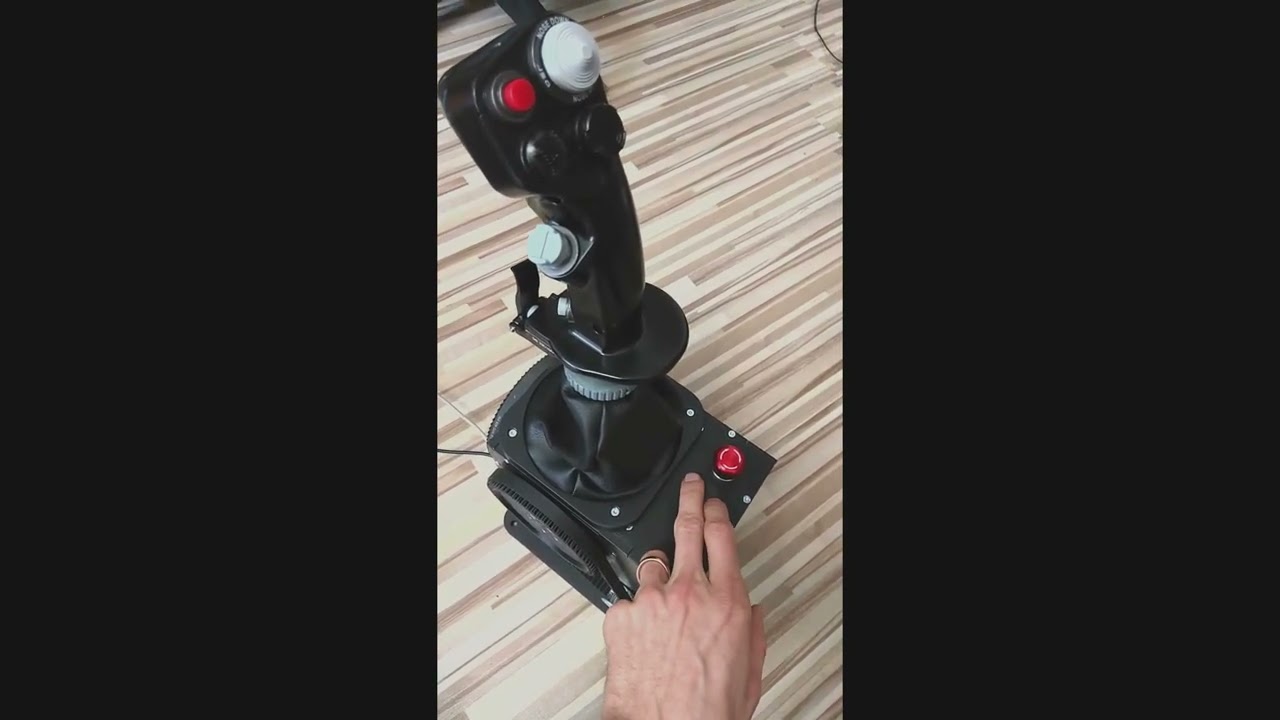
★ Perfect Match for the VPC WarBRD Base ★ Programmable LED Lighting ★ Available with Optional Lockable All-Metal Twist Axis Mechanism, or with a Fixed Grip Stock ★ Compatible with all VPC Bases ★ 10% Discount When Purchased with VPC Base (applied at checkout)
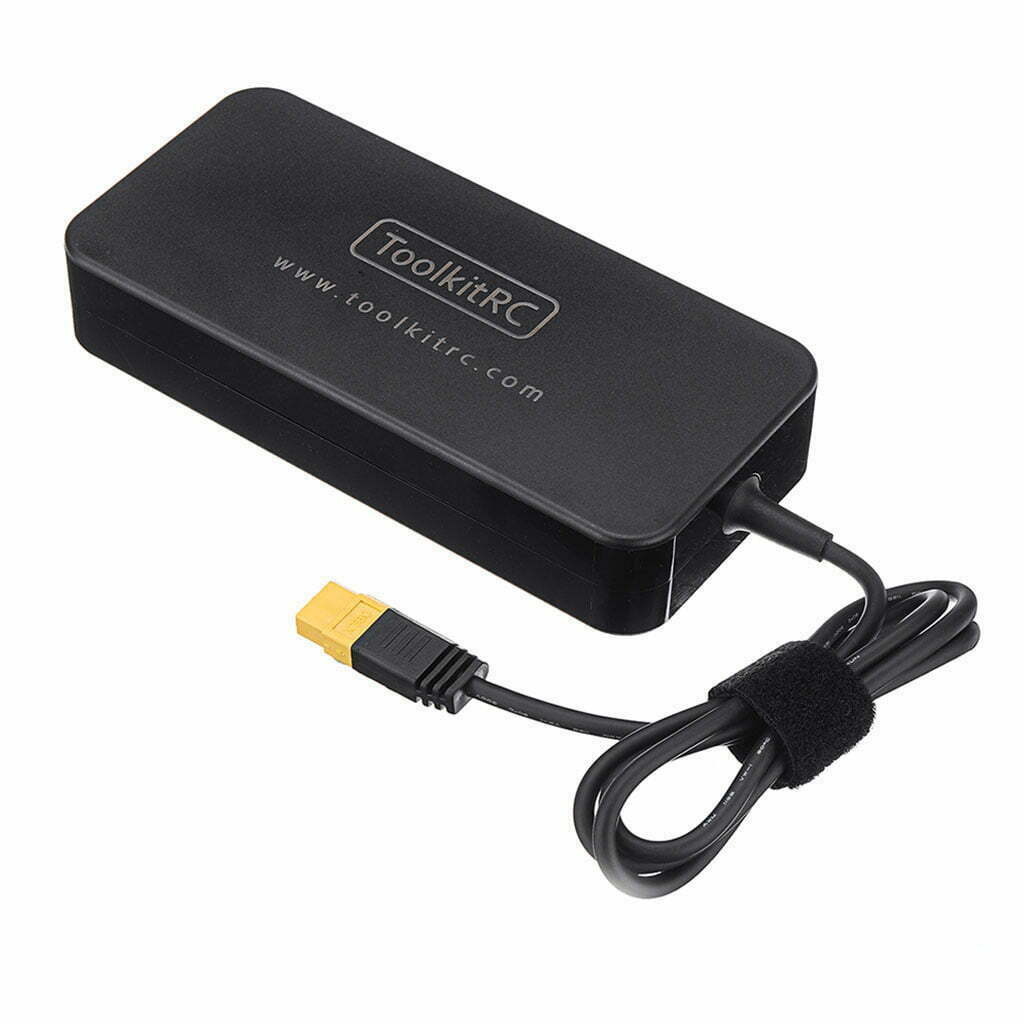
The base can accept a 5.5/2.5mm barrel connector or an XT60. I'm thinking on moving to XT60 on later rhinos. If you can get a power supply locally then it would be much simpler. Since I can only get an EU plug here atm. I do not recommend an extension simply because it will attenuate the FFB forces. I intended the rhino to be used lifted above the ground, since that gives good force/weight balance for the whole unit :) The whole package is 4.8 kg. The torque is about 5 Nm, so you can roughly calculate the force in kg for a given extension arm. Current pivot to grip thread distance is ~15cm.
Compatible with most chargers on the market the ToolKitRC ADP-180MB features 180W of power output, with an XT60 connector ready to plug in to the M8, M8s or M6D charger series.
@s.bartfast even if you have to use an extension for your project, the Rhino has plenty of power, force trim will work just fine. by the way, i'm using a 24V 10A laptop power supply...

 M
M W
W G
G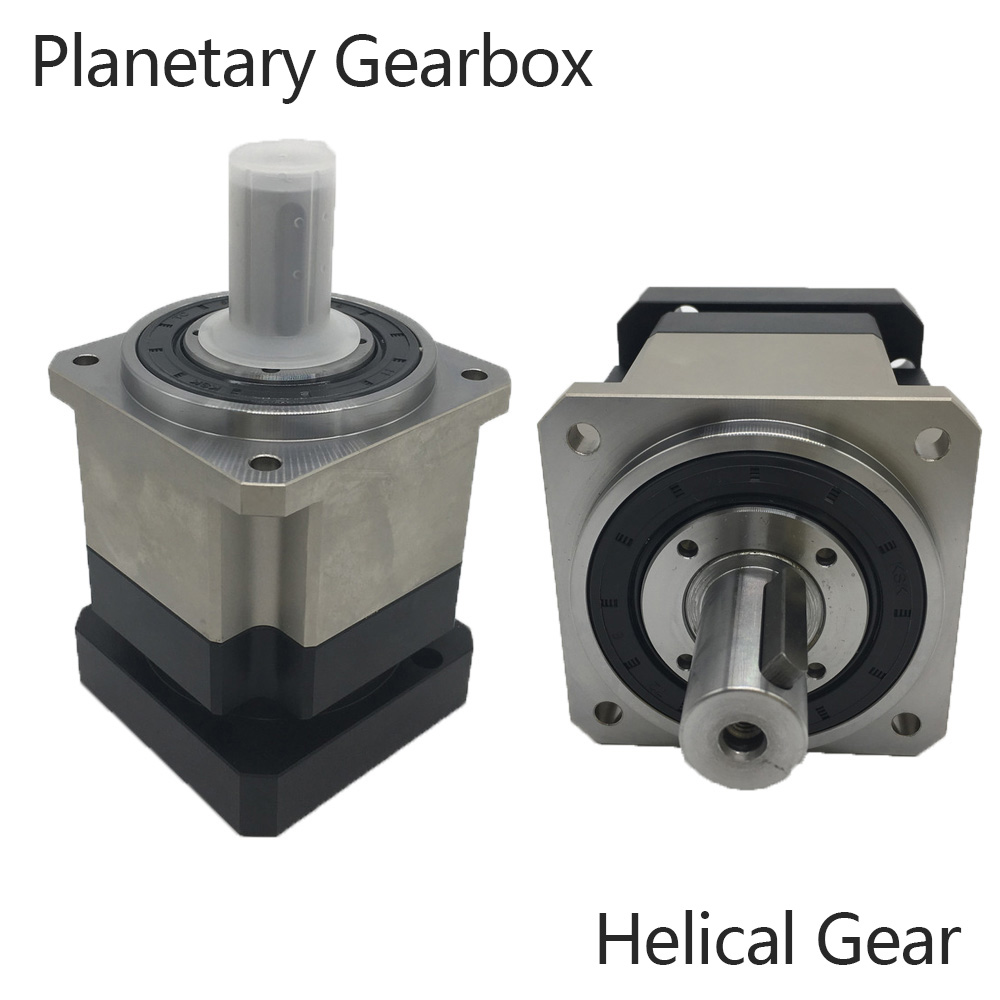

 W
W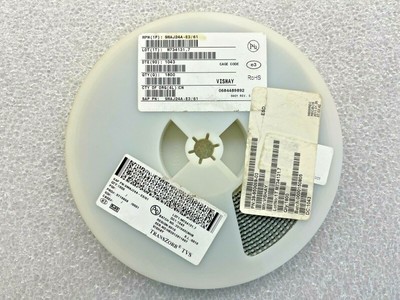
 S
S
 原
原
 F
F

 S
S